Peptides for Women Over 50: Metabolism, Muscle Retention, and Aging Gracefully
For many women over 50, the frustration isn’t a lack of discipline. It’s biology.
You may be training consistently, prioritizing protein, tracking sleep with an Oura or Whoop, and still noticing slower metabolism, declining muscle tone, stubborn fat gain, and reduced recovery. These changes are largely driven by hormonal shifts and altered growth hormone signaling, not effort.
At OmniRx Health, a nationwide telehealth clinic specializing in medical weight loss, hormone therapy, and peptide optimization, we help women understand what’s happening under the surface and how to intervene safely. This guide breaks down what peptide therapy is, how it supports metabolism and muscle retention, and how to approach it with lab-guided precision.
Why Metabolism Changes After 50
After menopause, estrogen levels decline sharply. This shift affects:
- Insulin sensitivity
- Muscle protein synthesis
- Fat distribution (more visceral fat)
- Growth hormone (GH) and IGF-1 signaling
Research shows that adults lose approximately 3–8% of muscle mass per decade after age 30, with a greater rate of loss after age 60 (Cruz-Jentoft et al., Age and Aging). Lower muscle mass reduces resting metabolic rate, making fat loss harder even with calorie control.
In parallel, growth hormone secretion declines with age. Since GH supports fat metabolism, recovery, and tissue repair, lower levels can contribute to:
- Slower recovery from workouts
- Reduced skin elasticity
- Increased abdominal fat
- Lower energy
This is where growth hormone secretagogues, explained properly, come into play.
What Is Peptide Therapy?
If you’ve searched what peptide therapy is, the simplest answer is this: peptides are short chains of amino acids that signal specific biological processes.
In the context of metabolic and performance medicine, certain prescription peptides stimulate your body’s own production of growth hormone rather than replacing it directly.
Common peptides used in women over 50 include:
- CJC-1295 vs Ipamorelin (often combined)
- Sermorelin
- BPC-157
- TB-500
- AOD-9604
Unlike synthetic growth hormone, these compounds aim to enhance physiologic signaling in a more regulated manner. They must be prescribed and monitored by licensed providers.
Supporting Metabolism and Fat Loss
CJC-1295 and Ipamorelin
This pairing is one of the most common peptide stacks for fat loss and recovery.
- CJC-1295 stimulates growth hormone–releasing hormone (GHRH) pathways.
- Ipamorelin acts on ghrelin receptors to pulse-release growth hormone.
Together, they may support:
- Improved body composition
- Better recovery
- Enhanced sleep quality
Some patients inquire about Ipamorelin dosage for sleep or the best time to take Ipamorelin. Timing is typically aligned with natural GH pulses (often evening), but dosing should always be individualized.
AOD-9604 for Weight Loss
AOD-9604 is a modified peptide fragment derived from growth hormone that has been studied for its effects on fat metabolism without impacting glucose significantly. It may support lipolysis when combined with strength training and adequate protein intake.
For women already using GLP-1 medications through medical weight loss programs, peptides may complement fat loss by preserving lean mass.
Muscle Retention and Injury Recovery
Maintaining muscle is not cosmetic; it is metabolic insurance.
Peptides for Muscle Growth
By supporting endogenous growth hormone signaling, peptides may help preserve lean tissue during caloric deficits. This is especially relevant for women concerned about becoming “skinny fat” while dieting.
BPC-157 and TB-500
Often discussed in the context of the best peptides for injury recovery, these compounds are being researched for tissue repair and support of angiogenesis.
Patients frequently compare TB-500 vs BPC-157. While mechanisms differ, both are used in protocols aimed at supporting joint pain, tendon recovery, and gut health, as well as peptide applications.
It’s also important to review BPC-157 side effects, which appear to be limited in the available data but still require medical oversight.
Skin, Cognitive, and Longevity Support
Healthy aging extends beyond body composition.
Some patients explore:
- Peptides for skin elasticity
- Cognitive enhancement peptides
- Sermorelin benefits related to recovery and vitality
Growth hormone and IGF-1 influence collagen production and tissue regeneration. While peptides are not cosmetic procedures, optimizing hormonal signaling may support skin quality as part of a broader longevity strategy.
Safety, Dosing, and Injection Basics
A common concern: Are peptides safe?
Safety depends on:
- Source legitimacy
- Correct reconstitution
- Proper dosing
- Ongoing lab monitoring
Legitimate Peptide Sources
Avoid grey-market products. Prescription peptides from licensed U.S. pharmacies ensure sterility, dosing accuracy, and compliance.
How to Mix Peptides
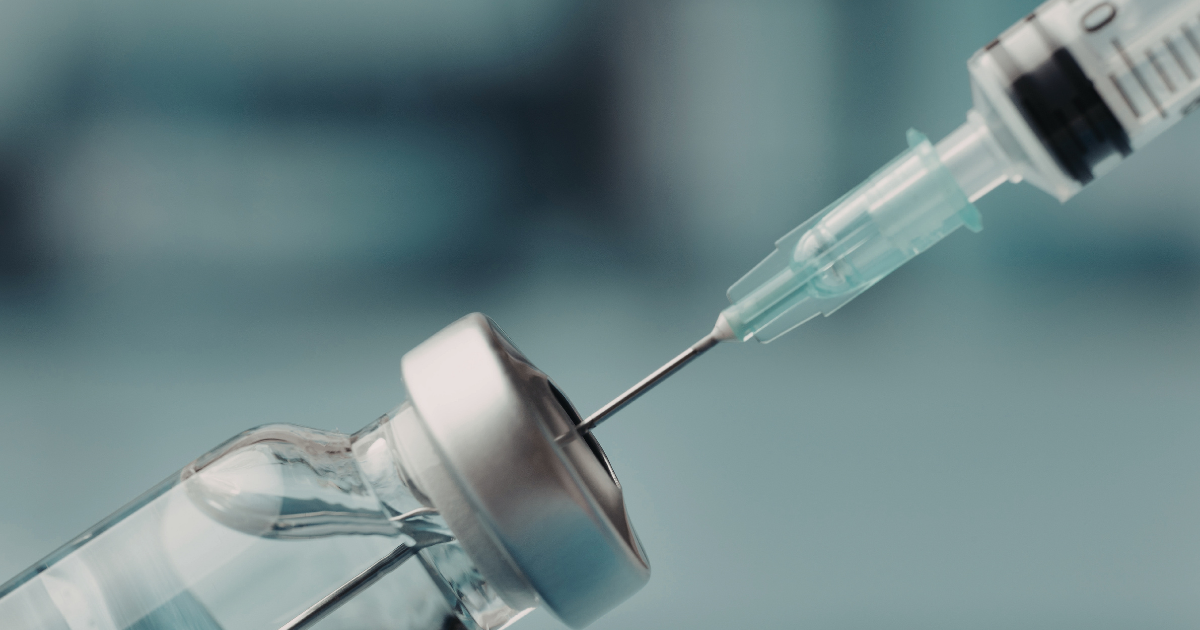
Patients often search for how to mix peptides. Reconstitution typically involves adding bacteriostatic water to the lyophilized powder. Exact volumes determine final concentration and dosage.
How to Inject Peptides Subcutaneously
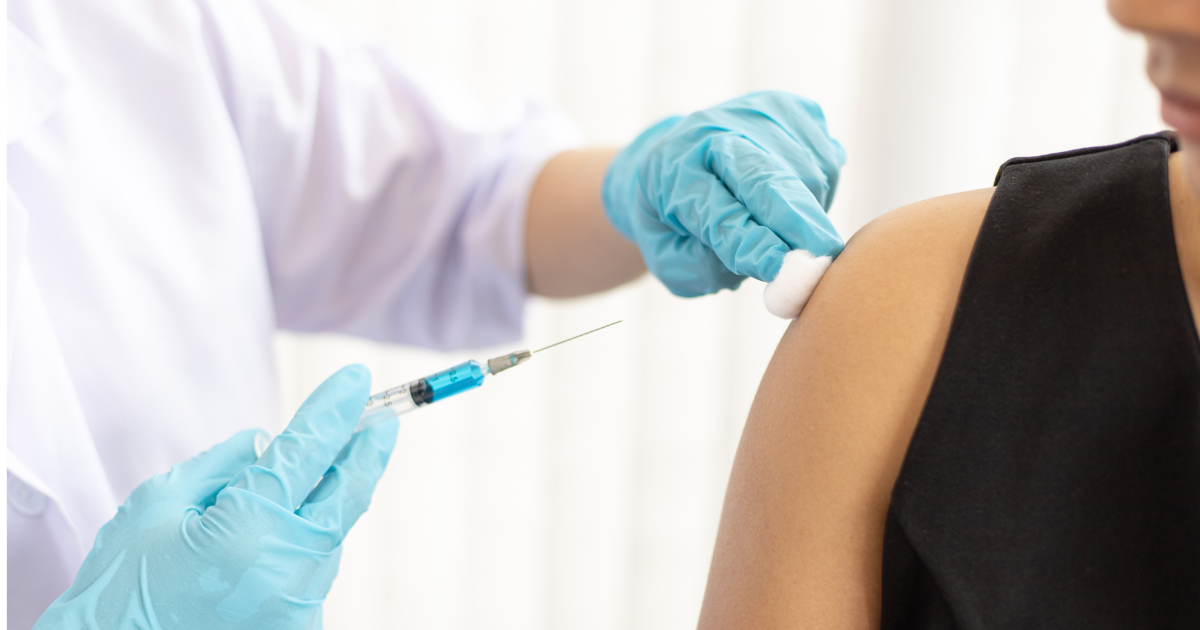
Most peptides are administered subcutaneously (under the skin) using insulin syringes. Sites commonly include:
- Abdomen
- Thigh
- Upper arm
A thorough safety primer includes guidelines for needle disposal, site rotation, and storage.
Peptide Cycle Length
Protocols vary. Some patients use 8–12-week cycles; others follow longer, structured programs with lab checkpoints.
Peptide Therapy Cost
Costs depend on compound, dosage, and monitoring frequency. A legitimate program includes physician oversight, lab review, and ongoing adjustments.
Decode Your Data: Lab Testing for Women Over 50
Peptide therapy should not exist in isolation. It should follow biomarker evaluation.
Key labs include:
- IGF-1 blood test meaning: Reflects growth hormone activity
- Thyroid panel T3 vs T4
- Insulin resistance blood test (fasting insulin, HbA1c)
- hs-CRP inflammation marker
- Comprehensive metabolic panel explained
- Vitamin D and testosterone link
- Ferritin levels and energy
Many women also benefit from evaluating cortisol patterns if experiencing fatigue. While “adrenal fatigue test” is not a formal medical diagnosis, cortisol imbalance is measurable and clinically relevant.
Optimal vs Normal
Standard lab reports show “normal range.” Optimization medicine looks deeper optimal vs normal testosterone levels, thyroid function, and inflammatory markers can differ from simple disease thresholds.
If you’ve ever thought, “Help me interpret my blood test results,” you’re not alone.
A Sample Optimization Framework
A structured plan for a 55-year-old woman in Los Angeles, Scottsdale, or Miami might include:
- Baseline labs (IGF-1, CMP, thyroid, insulin, hs-CRP).
- Assessment of sleep, body composition, and recovery metrics.
- Initiation of a growth hormone secretagogue stack if indicated.
- Recheck labs at 8–12 weeks.
- Adjust protocol based on data, not guesswork.
This approach mirrors how high-performers in NYC or Austin think about longevity: measured, iterative, data-driven.
Important Considerations
Peptides are not miracle cures. They support:
- Metabolic optimization
- Tissue repair
- Hormonal balance
They do not replace resistance training, protein intake, or sleep hygiene. Instead, they amplify the biological signals that make those behaviors more effective.
If you’re searching for peptides to buy online in the USA, pause. Medical supervision matters especially after 50, when comorbidities and medication interactions must be considered.

Take the Next Step: A Smarter Way to Age
Aging gracefully does not mean accepting metabolic decline without options.
At OmniRx Health, we connect women nationwide from San Diego to NYC, from Austin to Boca Raton, with licensed providers who design personalized peptide and hormone optimization plans. Every protocol begins with lab analysis and ongoing monitoring.
If you’re ready to move beyond “normal range” and toward evidence-based optimization, schedule your consultation at omnirxhealth.com and start building a strategy that supports metabolism, muscle retention, and long-term vitality.