Peptides for Skin Rejuvenation: Beyond Topicals and Into Systemic Repair
Walk into any high-end clinic in Los Angeles, Miami, Austin, or Scottsdale, and you’ll see the same theme: collagen creams, lasers, microneedling, and serums promising smoother skin. But many high-performing adults are starting to ask a different question:
What if skin aging isn’t just a surface problem?
At OmniRx Health, we approach rejuvenation as a systemic issue, one that involves hormones, inflammation, gut health, growth hormone signaling, and cellular repair. For patients nationwide, peptide therapy offers a way to support skin elasticity and tissue repair from the inside out, under medical supervision.
Let’s break down how peptide therapy works, what the data says, and how it fits into a broader longevity strategy.
What Is Peptide Therapy?
If you’ve searched “what is peptide therapy” or “are peptides safe”, you’ve likely seen conflicting information.
Peptides are short chains of amino acids that act as signaling molecules in the body. They tell cells what to do: produce collagen, release growth hormone, regulate inflammation, or repair tissue.
In medical settings, certain peptides are used to:
- Support injury recovery
- Improve skin elasticity
- Optimize growth hormone signaling
- Enhance sleep and recovery
- Support gut integrity
Unlike over-the-counter creams, systemic peptide therapy works through circulation and cellular signaling pathways rather than topical stimulation alone.
Skin Aging Is More Than Collagen Loss
Topical retinoids and procedures can stimulate collagen locally. But skin quality also reflects:
- Growth hormone and IGF-1 levels
- Estradiol and testosterone balance
- Inflammation markers such as hs-CRP
- Insulin resistance
- Cortisol levels
- Thyroid function (T3 vs T4 balance)
If you’ve ever searched “optimal vs normal testosterone levels” or “blood work for fatigue”, you’re already thinking systemically.
Skin is often the first visible biomarker of internal imbalance.
At OmniRx Health, peptide therapy is paired with a comprehensive lab review, not just cosmetic goals.
Growth Hormone Secretagogues and Skin Elasticity
When people compare “CJC-1295 vs Ipamorelin” or look up “growth hormone secretagogues explained,” they’re usually interested in recovery, muscle retention, or fat loss.
But growth hormone (GH) also plays a role in:
- Collagen synthesis
- Dermal thickness
- Wound healing
- Skin hydration
Research shows GH and IGF-1 influence fibroblast activity, the cells responsible for collagen production. Declining GH levels with age correlate with thinner, less elastic skin.
A carefully monitored peptide protocol, often involving compounds such as CJC-1295 or Ipamorelin, can support natural pulsatile GH release rather than replace it.
For patients asking about “Ipamorelin dosage for sleep” or the “best time to take Ipamorelin,” improved sleep quality itself also supports collagen repair and reduced inflammation.
BPC-157, TB-500, and Tissue Repair
You may have seen discussions comparing “TB-500 vs BPC-157” or researching “benefits of BPC-157.”
These peptides are commonly explored for:
- Injury recovery
- Joint pain
- Soft tissue repair
- Gut health support
BPC-157 has been studied in animal models for its role in angiogenesis and tissue repair. While more human data is needed, early findings suggest it may support connective tissue healing.
Since skin is connective tissue, systemic repair pathways matter.
Importantly, under medical supervision, we also discuss:
- Potential BPC-157 side effects
- Appropriate peptide cycle length
- Safety considerations
We do not position peptides as cures. They are tools to support repair mechanisms already present in the body.
Peptide Stacking for Anti-Aging Support
Many high-performing adults are interested in a “peptide stack for fat loss” or anti-aging protocols.
For skin-focused optimization, a stack may include:
- Growth hormone–supporting peptides
- Repair peptides
- Metabolic optimization (if insulin resistance is present)
- Hormone optimization (TRT or HRT when indicated)
Skin elasticity is tightly linked to metabolic health. Elevated insulin and chronic inflammation accelerate collagen breakdown.
If your labs show:
- Elevated fasting insulin
- High hs-CRP
- Suboptimal IGF-1
- Low free testosterone (in men)
- Imbalanced estradiol
Then systemic optimization may support visible skin improvement.
Decode Your Data: Biomarkers That Impact Skin
Before prescribing peptide therapy, we look at:
- IGF-1 blood test meaning and levels
- Thyroid panel (T3 vs T4)
- Estradiol levels in men
- SHBG and free testosterone
- Vitamin D and testosterone link
- Lipids panel optimization
- Ferritin levels and energy
Many adults searching “get blood work done without doctor” or “interpret my blood test results” are frustrated by being told everything is “normal.”
At OmniRx Health, we focus on optimal ranges for performance and longevity, not just disease thresholds.
Skin rejuvenation becomes a downstream effect of systemic balance.
How to Inject Peptides Subcutaneously (Safety Primer)
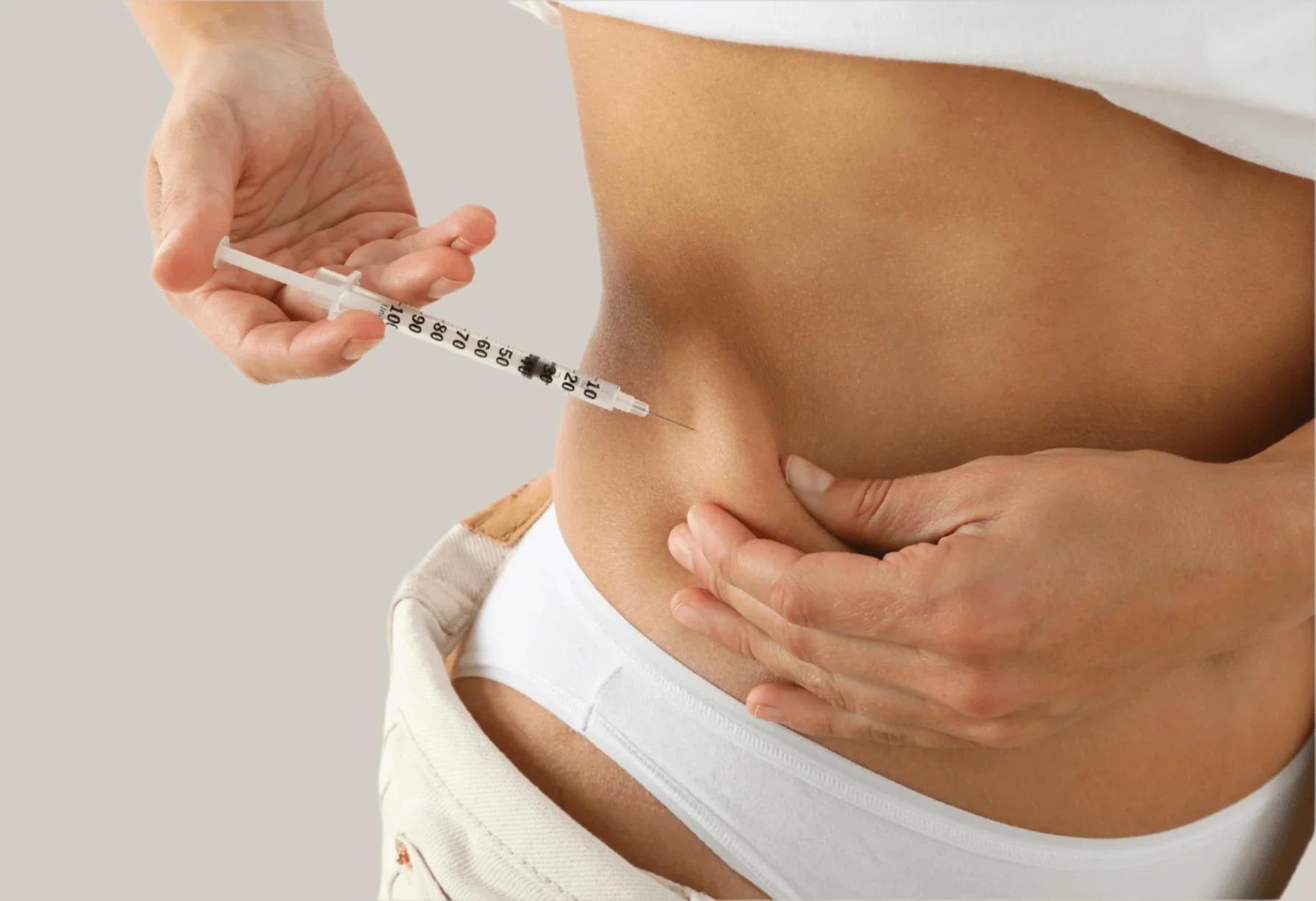
A common concern is “how to mix peptides” and “how to inject peptides subcutaneously.”
Under provider guidance, patients receive:
- Reconstitution instructions
- Sterile injection training
- Dosing protocols
- Ongoing monitoring
Subcutaneous injections are typically administered into abdominal fat using small insulin syringes.
We also review:
- Proper storage
- Avoiding contamination
- Signs of irritation
When prescribed and monitored appropriately, peptide therapy can be integrated safely into a comprehensive optimization plan.
Are Peptides Safe?
This depends on source, supervision, and protocol.
Concerns usually arise from:
- Buying peptides online in the USA without a prescription
- Unverified “legitimate peptide sources.”
- Incorrect dosing
At OmniRx Health, peptides are prescribed by licensed providers, compounded by regulated pharmacies, and paired with ongoing lab monitoring.
We avoid gray-market products and do not support unregulated compounds.
Safety includes:
- Monitoring IGF-1
- Tracking glucose and insulin
- Watching lipids and inflammatory markers
- Evaluating hormone panels
Optimization without data is guesswork.
Peptide Therapy Cost and Value
When patients ask about “peptide therapy cost,” the real question is value.
For high-income professionals in New York, California, Texas, Arizona, and Florida, convenience matters.
Telehealth through omnirxhealth.com provides:
- Nationwide licensed providers
- At-home shipping
- Lab coordination
- Ongoing supervision
Instead of juggling multiple clinics for TRT, weight loss, and peptides, care is centralized and medically guided.
Beyond Skin: The Bigger Longevity Picture
If you are a man 35–55, noticing:
- Low libido
- Thinner skin
- Slower recovery
- Elevated cortisol
Or a woman 30–60, dealing with:
- Collagen loss
- Weight gain despite diet
- Brain fog
- Hormonal shifts
Skin may be the visible symptom of a deeper systemic imbalance.
Peptide therapy is not cosmetic medicine. It is part of preventative health screenings for men and women who want to move from “normal range” to optimized.

Build From the Inside Out
Topicals treat the surface.
Systemic repair addresses the signal.
If you’re exploring peptide therapy for anti-aging, injury recovery, or hormone optimization, start with data, not guesswork.
At OmniRx Health, licensed providers evaluate your biomarkers, symptoms, and goals before designing a personalized plan.
Ready to Explore Systemic Skin Rejuvenation?
Book a consultation at omnirxhealth.com to review your labs, discuss peptide options, and build a medically supervised strategy for performance, longevity, and skin health nationwide across the USA.
Optimization begins beneath the surface.