BMI vs. Body Fat Percentage: How to Calculate What Actually Matters for Weight Loss
If you’ve ever typed “calculate BMI for weight loss” into Google, you’re not alone. BMI is simple, fast, and widely used. But if you’re a high-performing professional in your 30s, 40s, or 50s, optimizing hormones, using GLP-1 medications, or focused on longevity, BMI alone may not tell the full story.
At OmniRx Health, we start every medical weight loss or TRT plan with one principle: don’t guess, test. Establish your baseline first. That means understanding your biomarkers, body composition, and metabolic health before choosing treatment.
Let’s break down BMI vs. body fat percentage and how to calculate what actually matters.
What Is BMI and How Do You Calculate It?
BMI (Body Mass Index) is calculated using a simple formula:
- BMI = weight (kg) ÷ height (m²)
Or in U.S. units:
- BMI = (weight in pounds ÷ height in inches²) × 703
Categories:
- Underweight: <18.5
- Normal: 18.5–24.9
- Overweight: 25–29.9
- Obesity: 30+
BMI is widely used in clinical research because it correlates with population-level risk for conditions like type 2 diabetes and cardiovascular disease. According to the CDC and WHO, higher BMI categories are associated with increased metabolic risk.
But BMI does not measure:
- Muscle mass
- Body fat distribution
- Visceral fat
- Hormonal status
For someone on testosterone replacement therapy (TRT), maintaining lean mass, BMI can label you “overweight” while your body fat percentage is optimized. Conversely, someone with low muscle mass and high visceral fat may have a “normal” BMI but poor metabolic health.
Why Body Fat Percentage Matters More
Body fat percentage measures the proportion of fat relative to total body weight. This matters because excess adipose tissue, especially visceral fat, drives:
- Insulin resistance
- Chronic inflammation
- Hormonal imbalance
- GLP-1 weight loss plateau issues
Research published in The Lancet Diabetes & Endocrinology shows that central adiposity (abdominal fat) is more strongly linked to cardiometabolic risk than BMI alone.
For men in their 30s and 40s researching low testosterone symptoms, body fat is especially relevant. Higher fat mass increases aromatization, converting testosterone into estrogen. This can contribute to:
- Low libido
- Fatigue
- Symptoms of high estrogen in men
- Increased hematocrit levels during TRT monitoring
For women pursuing GLP-1 therapy, body fat percentage better reflects metabolic improvement than scale weight alone, especially when protein intake while on semaglutide is optimized to preserve lean mass.
Healthy Body Fat Percentage Ranges
General guidelines:
Men
- Essential fat: 2–5%
- Athletic: 6–13%
- Fit: 14–17%
- Average: 18–24%
- Obese: 25%+
Women
- Essential fat: 10–13%
- Athletic: 14–20%
- Fit: 21–24%
- Average: 25–31%
- Obese: 32%+
These ranges vary by age and individual health context. A 45-year-old executive on an online TRT prescription will not have the same targets as a 25-year-old athlete.
How to Calculate Body Fat Percentage
There are several methods, each with different accuracy levels.
1. DEXA Scan (Gold Standard)
Dual-energy X-ray absorptiometry measures:
- Total body fat
- Lean mass
- Bone density
- Visceral fat
This is ideal for patients optimizing body composition on GLP-1 agonist therapies or TRT.
2. Bioelectrical Impedance (InBody Scales)
Common in clinics and high-end gyms. Accuracy depends on hydration levels.
3. Skinfold Calipers
Affordable but operator-dependent.
4. Smart Wearables
Some advanced scales and wearable tech estimate body fat. While convenient, they’re best used for trend tracking rather than absolute accuracy.
BMI vs. Body Fat in Real-World Scenarios
Scenario 1: The GLP-1 User
You’re researching tirzepatide vs semaglutide efficacy. You lose 20 pounds. BMI improves. But if protein intake while on semaglutide is inadequate, you may lose lean mass.
Lean mass loss lowers metabolic rate and can contribute to:
- GLP-1 weight loss plateau
- Loose skin concerns
- “Ozempic face” appearance
Tracking body fat percentage ensures fat loss rather than muscle loss.
Scenario 2: The 42-Year-Old Male with Low Energy
You search “low testosterone symptoms men 30s.” BMI is 27. Technically overweight.
But testing reveals:
- Elevated body fat
- Low free testosterone
- Estradiol imbalance
A personalized TRT plan combined with resistance training may reduce fat mass while increasing muscle. BMI may not change dramatically, but body composition and metabolic health improve.
The Role of Biomarker Testing
Whether you’re exploring:
- Buy semaglutide online
- Tirzepatide vs semaglutide cost
- Online TRT clinic reviews
- Testosterone replacement therapy cost
Your starting point should not be the medication. It should be your baseline.
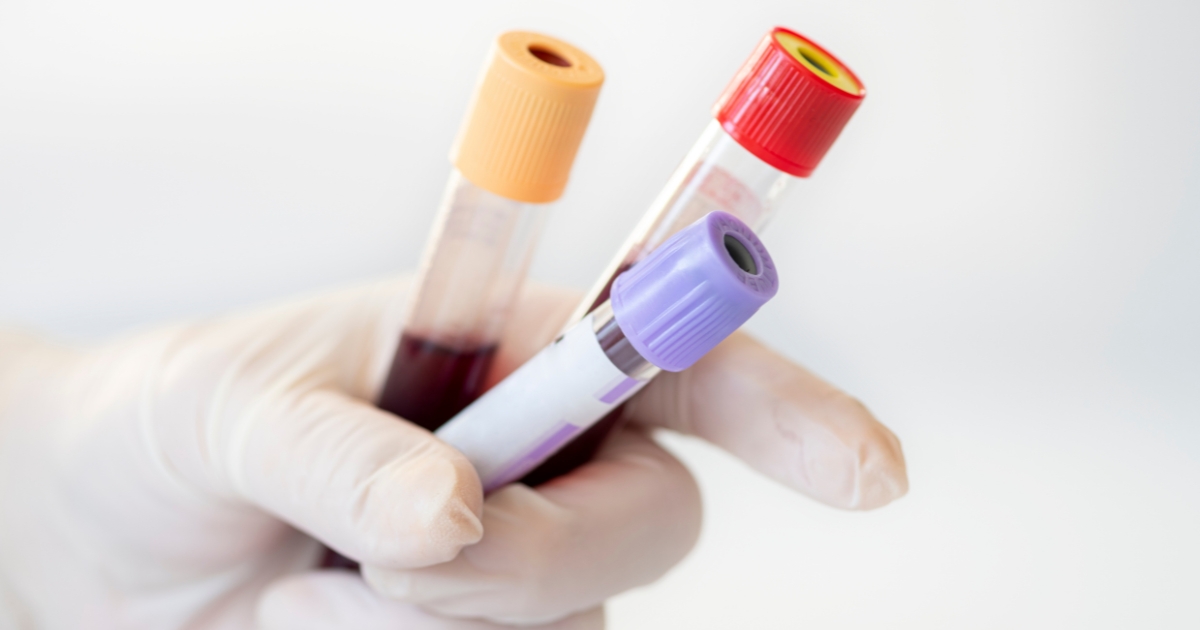
At OmniRx Health, that includes:
- Fasting glucose & insulin
- Lipid panel
- Liver enzymes
- Hematocrit levels (TRT safety)
- Total and free testosterone
- Estradiol
- Thyroid function
For GLP-1 candidates, understanding insulin resistance is a better predictor of outcomes than BMI alone.
For TRT patients, baseline labs guide testosterone cypionate dosage, determine whether estrogen blockers for men are appropriate, and reduce risks like elevated hematocrit.
Why Scale Weight Alone Is Misleading
Rapid weight loss without body composition monitoring increases the risk of:
- Muscle loss
- Slower metabolism
- Weight regain after stopping semaglutide
Studies show that up to one-third of weight lost during caloric restriction can come from lean mass if protein and resistance training are insufficient.
If your goal is long-term metabolic health, not just cosmetic weight loss, body fat percentage is the more actionable metric.
BMI Still Has a Role
BMI is useful for:
- Insurance qualification for GLP-1 medications
- Population health screening
- Initial obesity classification
For example, many insurance plans require a BMI≥30 or ≥27 with comorbidities to cover medications such as Wegovy. But once treatment begins, progress should shift toward body composition and biomarkers.
Integrating This with Medical Weight Loss
If you’re searching:
- “Medical weight loss clinic near me”
- “Buy semaglutide online.”
- “Medical weight loss clinic online”
The most effective programs combine:
- GLP-1 therapy when appropriate
- Resistance training guidance
- Adequate protein intake
- Biomarker monitoring
- Side effect management (such as semaglutide nausea remedies)
Weight loss is a biological process, not a willpower issue. GLP-1 medications reduce appetite and improve glycemic control, but achieving sustainable results depends on preserving lean mass and optimizing hormone levels.
BMI vs Body Fat: What Actually Matters?
If your goal is:
- Longevity
- Libido optimization
- Fat loss with muscle retention
- Avoiding metabolic slowdown
The body fat percentage, visceral fat levels, and lab markers matter more than a single BMI number.
BMI can open the door to treatment qualification. Body composition indicates whether the treatment is working properly.

Don’t Guess, Test: Establish Your Baseline First
Before starting GLP-1 therapy or seeking an online TRT prescription, measure what matters.
At OmniRx Health, we connect patients nationwide, including Los Angeles, Miami, Austin, NYC, Scottsdale, and beyond, with licensed providers who personalize medical weight loss and hormone optimization plans.
Your first step is not choosing between semaglutide and tirzepatide, or comparing tirzepatide vs. semaglutide cost. Your first step is testing.
Visit omnirxhealth.com to book your consultation and comprehensive biomarker evaluation.
Don’t guess, test. Establish your baseline first.