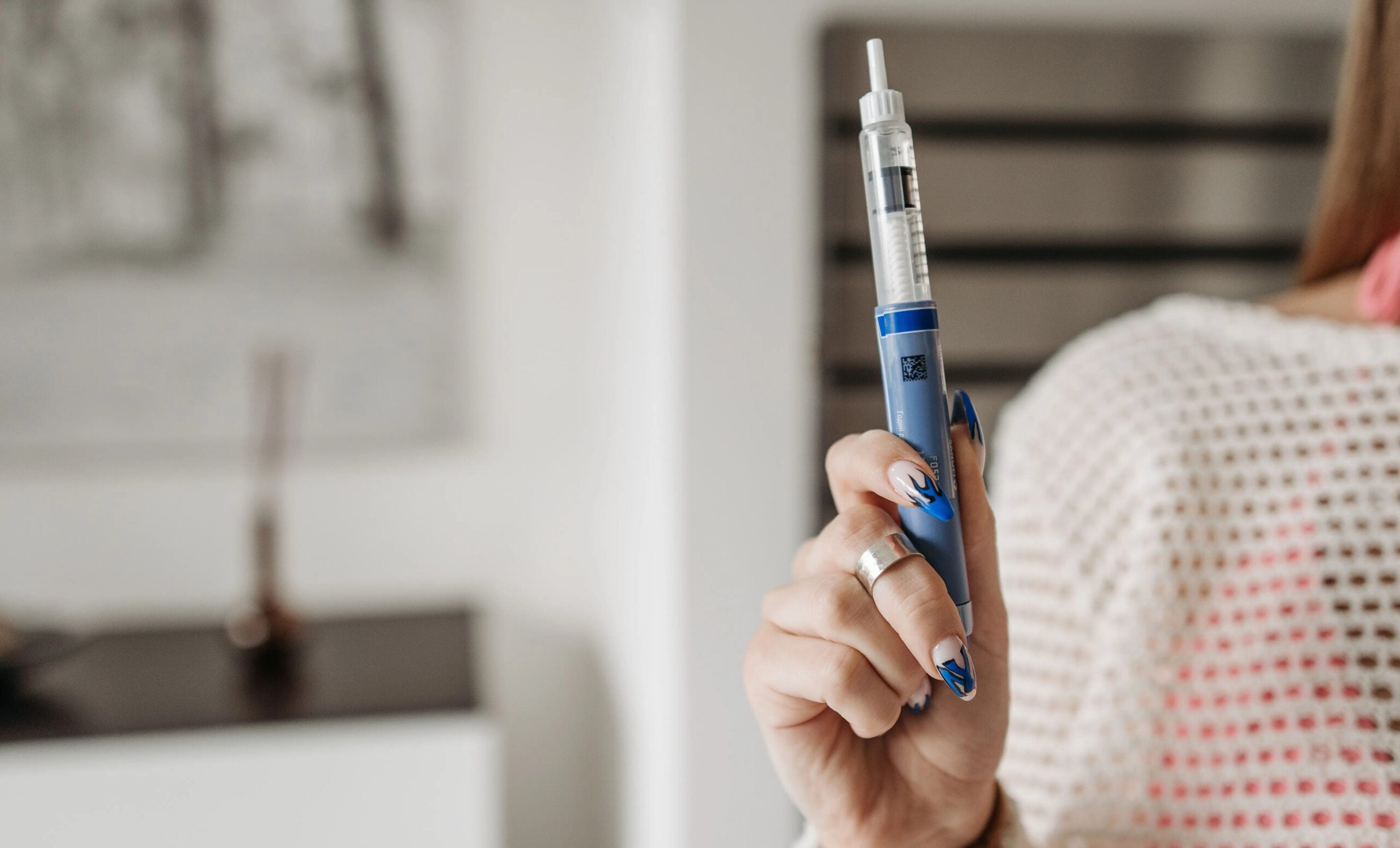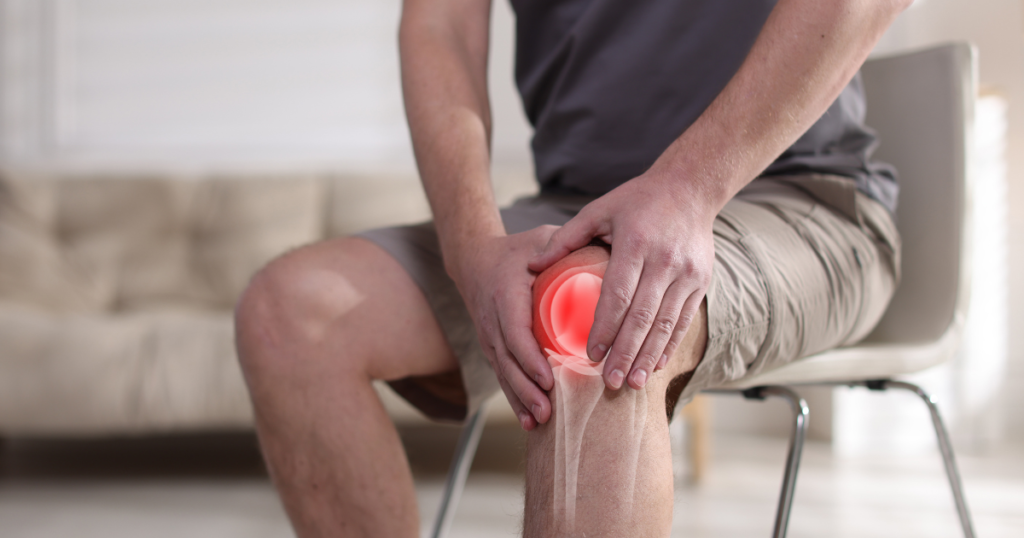
Peptides for Joint Pain: What Active Professionals Over 40 Should Know
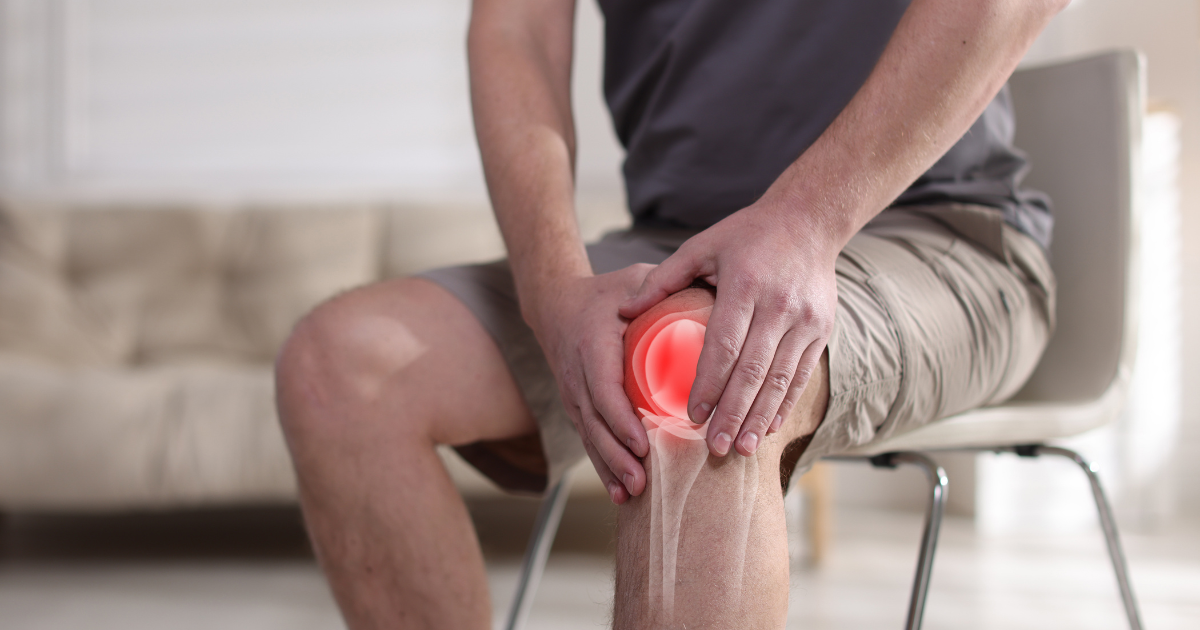
If you train hard, work long hours, and expect your body to keep up, joint pain can feel like an unfair trade-off for staying active.
For many professionals over 40 in Los Angeles, Austin, Miami, Scottsdale, or New York, the issue isn’t inactivity. It’s cumulative wear: years of lifting, running, tennis, golf, CrossFit, or simply long hours at a desk. Imaging may show “mild degeneration,” yet the stiffness and reduced mobility are very real.
At OmniRx Health, we work with men and women nationwide who want more than pain relievers. They’re asking about peptides for joint pain, how they work, whether they’re safe, and how to use them responsibly under medical supervision.
This guide breaks down the science and what to consider before starting peptide therapy.
Why Joint Pain Increases After 40
Joint discomfort often stems from:
- Microtears in tendons and ligaments
- Reduced collagen synthesis
- Lower growth hormone and IGF-1 levels
- Chronic low-grade inflammation (often reflected in markers like the hs-CRP inflammation marker)
Research shows growth hormone and IGF-1 levels naturally decline with age, which can influence tissue repair capacity. While this is normal biology, it may mean recovery takes longer than it did in your 20s.
For high performers who track sleep with Oura or Whoop, monitor a comprehensive metabolic panel as explained by their provider, or optimize testosterone levels from optimal to normal, the next step often involves exploring peptide therapy.
What Is Peptide Therapy?
If you’ve searched what peptide therapy is, the short answer: peptides are short chains of amino acids that act as signaling molecules in the body.
Certain peptides used under prescription are designed to:
- Support tissue repair
- Stimulate growth hormone release
- Promote collagen production
- Modulate inflammation
They are not miracle solutions. Instead, they aim to support the body’s own repair pathways when used in appropriate clinical settings.
Best Peptides for Joint Pain and Injury Recovery
1. BPC-157
Often discussed in the context of BPC-157’s benefits, this peptide has been studied primarily in animal models for its potential role in tendon, ligament, and gut repair.
Preclinical research suggests that BPC-157 may influence angiogenesis (the formation of new blood vessels) and collagen organization. While large human trials are limited, it is commonly prescribed in regenerative protocols.
Patients often ask about BPC-157 side effects. Under medical supervision, reported side effects tend to be mild (injection site irritation, transient headaches), but proper dosing and sourcing matter.
2. TB-500 (Thymosin Beta-4 Fragment)
When comparing TB-500 vs BPC-157, TB-500 is generally associated with:
- Cellular migration
- Tissue regeneration signaling
- Soft tissue recovery
Some clinicians use them together in a structured peptide stack for injury recovery, especially for tendon or joint strain.
3. Growth Hormone Secretagogues
You may see explanations for searches for growth hormone secretagogues. These include:
- CJC-1295
- Ipamorelin
- Sermorelin
These peptides stimulate the pituitary gland to release more growth hormone, which may support recovery, muscle retention, and collagen production.
When comparing CJC-1295 vs Ipamorelin, CJC-1295 extends growth hormone release, while Ipamorelin triggers pulses with minimal impact on cortisol or prolactin. Some patients use them together.
Common questions include:
- Ipamorelin dosage for sleep
- Best time to take Ipamorelin
- Sermorelin benefits
- Peptides for muscle growth
These are individualized decisions based on labs, goals, and medical history.
Peptide Therapy for Anti-Aging and Joint Support
Joint pain is rarely isolated. Many patients also report:
- Brain fog
- Slower muscle recovery
- Declining libido
- Reduced skin elasticity
Peptides may be part of a broader peptide therapy for an anti-aging approach, alongside hormone optimization and metabolic support.
For example:
- Growth hormone secretagogues may support connective tissue integrity
- Collagen-stimulating pathways may influence peptides for skin elasticity
- Proper IGF-1 modulation is monitored through the IGF-1 blood test, meaning
However, anti-aging claims should be approached cautiously. The goal is functional optimization, not reversal of aging.
Safety and Protocol: Are Peptides Safe?
One of the most important questions is: Are peptides safe?
Safety depends on:
- Legitimate peptide sources
- Prescription-based access
- Proper storage and reconstitution
- Medical monitoring
Avoid gray-market sites promising to buy peptides online in the USA without a prescription. Quality control, sterility, and dosing accuracy are critical.
Patients frequently ask:
- How to mix peptides
- How to inject peptides subcutaneously
- Peptide cycle length
- Peptide therapy cost
Under telehealth supervision, providers guide:
- Reconstitution with bacteriostatic water
- Insulin syringe measurement
- Subcutaneous injection technique
- Lab monitoring every 8–12 weeks
Injection sites typically include the abdomen or thigh, similar to insulin administration.

Biomarker Optimization: Decode Your Data
Peptides should not be used blindly. For professionals serious about longevity, lab interpretation matters.
Relevant labs may include:
- Male hormone panel blood test
- Optimal vs normal testosterone levels
- SHBG and free testosterone
- Estradiol levels in men
- Vitamin D and testosterone link
- Thyroid panel T3 vs T4
- Insulin Resistance Blood Test
- Homocysteine and heart health
- Lipids panel optimization
- Ferritin levels and energy
- Prostate-specific antigen (PSA) range
For example:
- Elevated hs-CRP, an inflammation marker, may suggest systemic inflammation contributing to joint discomfort.
- Low-normal IGF-1 may correlate with slower recovery.
- High cortisol in men (see high cortisol symptoms in men) can impair tissue repair.
Many patients first come in asking to “interpret my blood test results.” The difference between “normal” and “optimal” ranges can be meaningful for performance-driven individuals.
If you’re wondering whether you can get blood work done without doctor involvement, telehealth models allow supervised lab ordering nationwide while ensuring proper interpretation.
Peptide Stacking for Joint Pain vs. Fat Loss
Some patients combine goals, asking about a peptide stack for fat loss alongside recovery support.
Examples may include:
- Growth hormone secretagogues for body composition
- AOD-9604 for weight loss
- Injury-repair peptides for joint support
These must be structured carefully to avoid excessive IGF-1 elevation or hormonal imbalance.
Monitoring includes:
- Monitoring TRT blood work if on testosterone
- Periodic IGF-1 measurement
- Metabolic markers
This is where individualized medicine becomes essential.
Who Is an Ideal Candidate?
You may be a candidate for peptide therapy for joint pain if you:
- Are 35–60 and active
- Experience chronic joint stiffness or tendon irritation
- Have optimized sleep and nutrition already
- Want structured medical oversight
- Are open to lab-guided protocols
Peptides are not first-line care for severe joint disease or acute trauma. They are typically adjunctive strategies in performance-focused medicine.

What Results Should You Expect?
Most patients report gradual improvements over weeks, not days. Tissue repair is biological and takes time.
Expect:
- 6–12 week evaluation cycles
- Lab rechecks
- Symptom tracking
The goal is support and optimization, not guaranteed outcomes.
Take the Next Step Toward Smarter Recovery
Joint pain does not mean you have to scale back your ambition.
At OmniRx Health, we provide nationwide telehealth access to licensed providers who design personalized peptide and hormone optimization plans. Whether you’re in Los Angeles, Miami, Austin, NYC, Scottsdale, or anywhere in the U.S., you can receive guided care from home.
If you’re ready to move beyond generic advice and explore medically supervised peptide therapy for joint pain, visit https://omnirxhealth.com to schedule your consultation.
Your performance deserves precision.