GLP-1 Agonist Foods to Avoid: What Slows Results and Worsens Side Effects
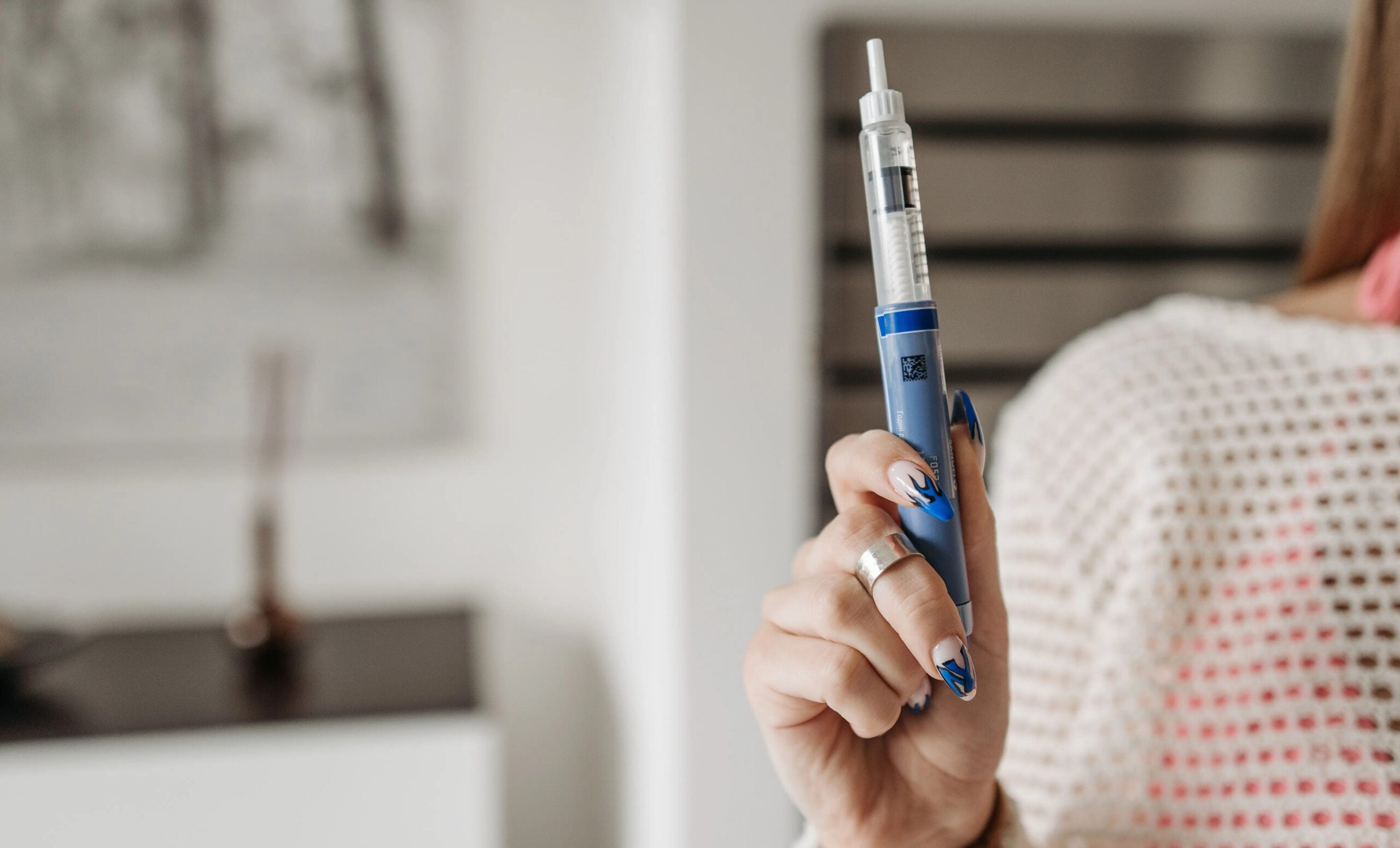
If you’re using semaglutide or tirzepatide through a medical weight loss clinic online, your results aren’t determined by the injection alone. The foods you eat can either support fat loss and metabolic repair or quietly slow progress and worsen side effects.
At OmniRx Health, we help patients nationwide from Los Angeles and Miami to Austin, NYC, and Scottsdale optimize GLP-1 treatment with structured biomarker testing and physician oversight. Before adjusting your dose or switching medications, start with data.
Don’t guess, test. Establish your baseline first.
This guide breaks down GLP-1 agonist foods to avoid, why they interfere with results, and how to manage Wegovy side effects or Mounjaro side effects more effectively.
Quick Refresher: How GLP-1 Medications Work
Understanding the GLP-1 mechanism of action explains why certain foods cause problems.
GLP-1 receptor agonists such as semaglutide (Wegovy, Ozempic) and tirzepatide (Zepbound, Mounjaro) work by:
- Slowing gastric emptying
- Reducing appetite
- Increasing insulin secretion when glucose is elevated
- Lowering glucagon
Clinical trials show an average weight loss of 10–22%, depending on the medication and dose. But these drugs also change how your digestive system handles food.
When gastric emptying slows, high-fat or highly processed meals remain in the stomach longer. That’s where nausea, reflux, bloating, and “GLP-1 stomach” symptoms often begin.
1. High-Fat, Greasy Foods
Why They’re A Problem
Fat naturally slows digestion. GLP-1 medications already delay gastric emptying. Combining both can worsen:
- Nausea
- Bloating
- Reflux
- Vomiting
Common offenders:
- Fried foods
- Heavy cream sauces
- Fast food
- Fatty cuts of meat
If you’re searching for semaglutide nausea remedies, reducing fat intake is often more effective than increasing anti-nausea medications.
Instead, focus on lean proteins and moderate healthy fats in controlled portions.
2. Ultra-Processed, Refined Carbohydrates
GLP-1s improve insulin response, but large glucose spikes still interfere with metabolic adaptation.
Avoid:
- Sugary cereals
- Pastries
- White bread
- Sweetened beverages
Even when appetite is reduced, refined carbohydrates can trigger energy crashes and stall progress during a GLP-1 weight-loss plateau.
High-glycemic foods also contribute to changes in fat redistribution that some describe as the “Ozempic face.” While rapid weight loss and loose skin are primarily related to speed of fat loss and genetics, stabilizing blood sugar helps support gradual, sustainable results.
3. Carbonated Beverages
Carbonation expands in the stomach. When gastric emptying is slowed, that expansion becomes uncomfortable.
Many patients report:
- Increased burping
- Pressure
- Bloating
- Acid reflux
Even diet soda can worsen symptoms. For those asking about alcohol and GLP-1 medications, carbonation combined with alcohol can intensify nausea.
If you’re managing Wegovy dosing schedule adjustments and feeling bloated, try eliminating carbonation first.
4. Alcohol
Alcohol tolerance often decreases while on semaglutide or tirzepatide.
Why?
- Slower gastric emptying increases the risk of nausea
- Reduced calorie intake magnifies alcohol’s impact
- Blood sugar fluctuations become more noticeable
In addition, alcohol contributes to muscle loss. For patients focused on how to maintain muscle on Ozempic, alcohol reduction is a critical step.
Moderation is essential. Some patients choose to avoid alcohol entirely during the first 8–12 weeks of therapy.
5. Large Meals
Even healthy foods can cause discomfort if portion sizes are too large.
GLP-1s are designed to reduce appetite signals. Forcing large meals often results in:
- Cramping
- Delayed fullness
- Reflux
Smaller, protein-centered meals spaced throughout the day are better tolerated.
If you’re calculating BMI for weight loss and aiming for aggressive fat reduction, remember: rapid restriction can increase lean mass loss. The goal is metabolic optimization, not starvation.
6. Very Low-Protein Diets
This is the most overlooked mistake.
Reduced appetite often leads to reduced protein intake. Over time, this increases:
- Muscle loss
- Fatigue
- Hair thinning
- Metabolic slowdown
Research shows adequate protein intake supports lean mass retention during calorie deficits. For most adults on GLP-1 therapy, 0.7–1 gram of protein per pound of target body weight is a reasonable starting range, adjusted by a provider.
If you’re concerned about long term effects of GLP-1s, muscle preservation is one of the most important protective strategies.
Protein intake while on semaglutide is not optional. It’s foundational.
7. Trigger Foods During Dose Escalation
Each dose increase (as part of a Wegovy dosing schedule or tirzepatide titration plan) temporarily intensifies side effects.
During escalation phases, temporarily avoid:
- Spicy foods
- Heavy fiber overload
- High-fat meals
- Alcohol
If switching from Ozempic to Mounjaro, symptoms may shift slightly due to dual GLP-1/GIP action. Food adjustments help smooth that transition.
The “Best Diet for Semaglutide” Framework
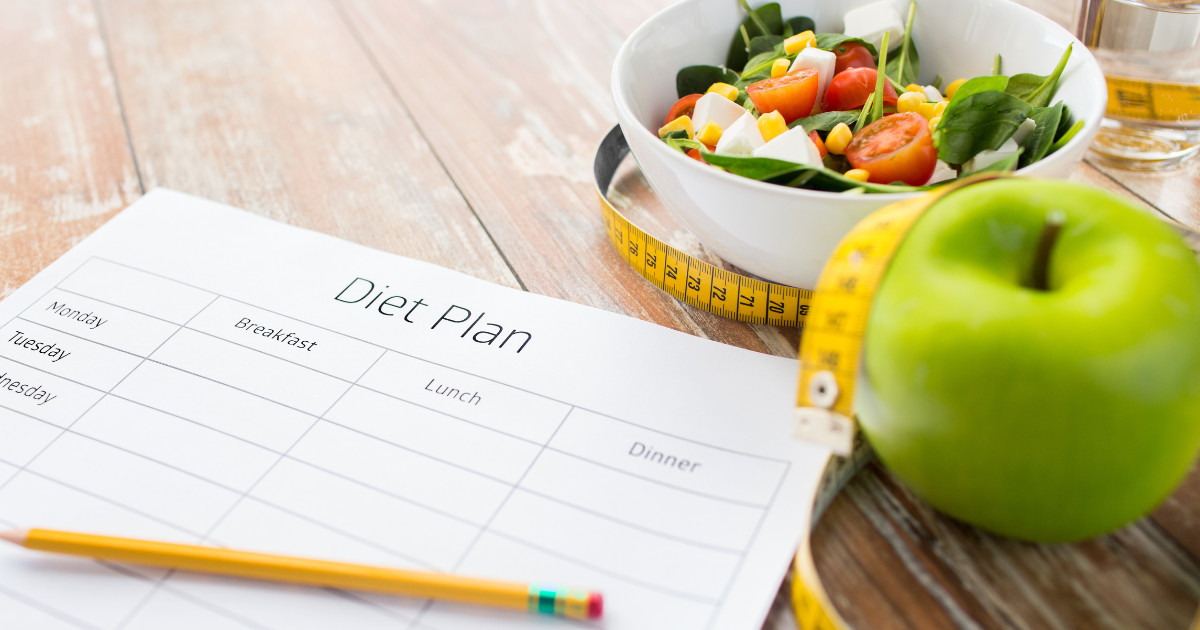
Rather than focusing only on GLP-1 agonist foods to avoid, here’s what to emphasize:
- Lean protein at each meal
- Non-starchy vegetables
- Moderate whole-food carbohydrates
- Healthy fats in controlled portions
- Hydration
This is not generic “eat less, move more” advice. It’s about supporting the medication’s biological effects.
Patients searching to buy semaglutide online often focus on price comparisons, such as tirzepatide vs. semaglutide cost. But optimizing nutrition reduces side effects, improves adherence, and protects lean mass, ultimately improving long-term outcomes.
Why Biomarkers Matter More Than Food Lists
Food tolerance varies.
Some patients struggle with nausea; others don’t. Some plateau at month four; others continue losing.
Without lab data, you’re guessing.
At OmniRx Health, treatment begins with:
- Comprehensive metabolic panels
- A1C
- Lipid markers
- Hormonal evaluation when appropriate
- Inflammatory markers
For men in their 30s and 40s experiencing low testosterone symptoms, metabolic dysfunction and testosterone levels are often linked. Weight loss improves hormone balance, but untreated hypogonadism may require evaluation at a TRT clinic online.
This is why every GLP-1 plan should connect to biomarker testing.
Don’t guess, test. Establish your baseline first.
When Food Isn’t the Problem
If you’re following nutrition guidelines and still experiencing:
- Persistent nausea
- Severe fatigue
- Weight loss plateau
- Muscle loss
You may need:
- Dose adjustment
- Medication switch (tirzepatide vs semaglutide efficacy considerations)
- Micronutrient evaluation
- Hormonal assessment
Switching medications or increasing the dose without labs increases the risk of stopping semaglutide weight regain later due to unsustainable programming.

Optimize the Environment, Not Just the Injection
GLP-1 medications are powerful tools. But they are not magic.
Avoiding high-fat, ultra-processed, carbonated, and alcohol-heavy diets can dramatically reduce side effects and improve the efficiency of fat loss. Prioritizing protein protects muscle and long-term metabolic health.
If you’re considering whether to buy semaglutide online, compare compounded semaglutide safety, or evaluate tirzepatide cost without insurance, start with medical oversight.
At OmniRx Health, we connect you with licensed providers who design structured treatment plans based on labs, not trends.
- Before you adjust your diet.
- Before you switch medications.
- Before you chase another dose increase.
Don’t Guess, Test. Establish Your Baseline First
Book a consultation and biomarker assessment at omnirxhealth.com, and build your weight-loss strategy on data, not assumptions.