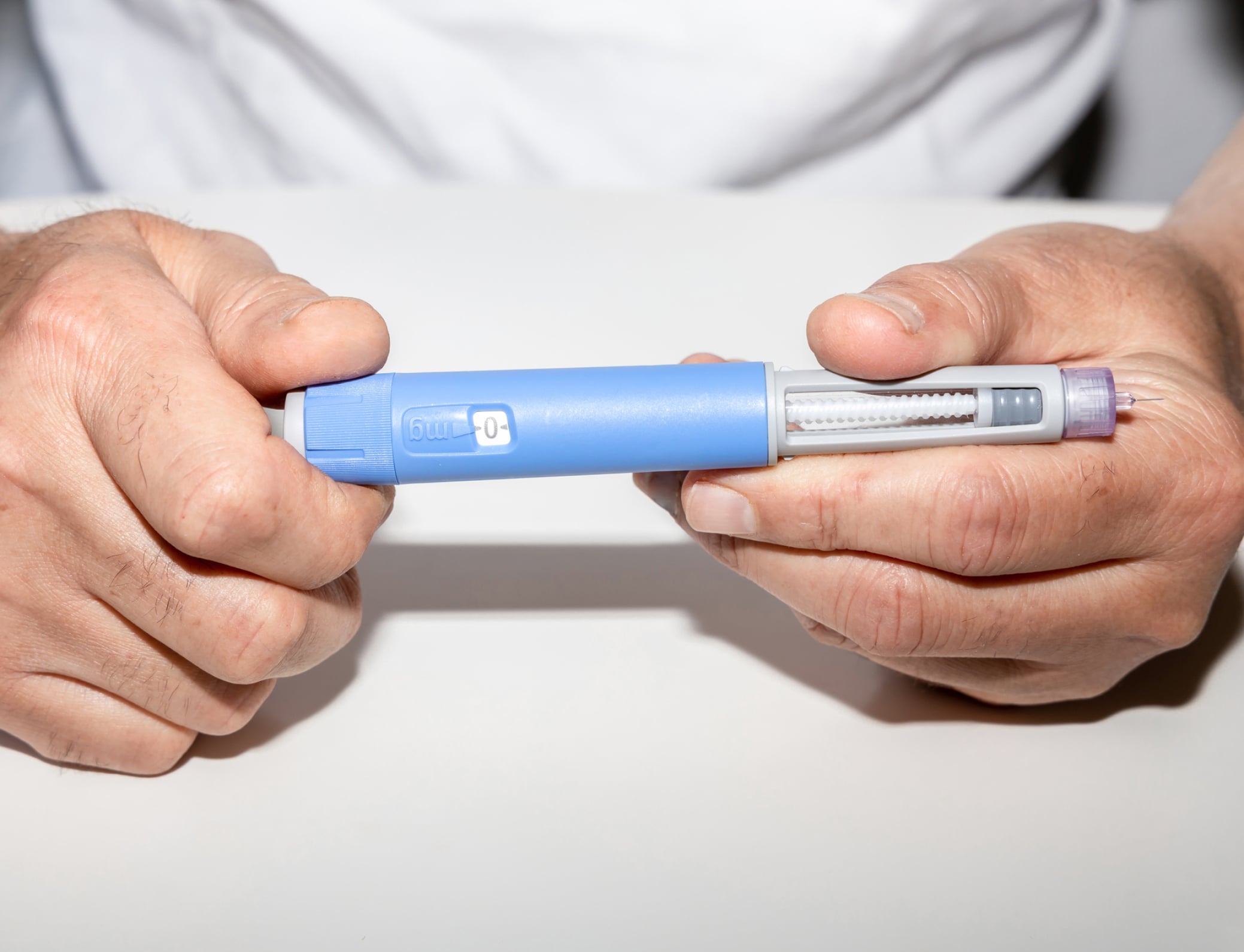
What if you could get an online TRT prescription, peptide protocol, or weight-loss meds without waiting months for an endocrinologist or fighting with your insurance and still feel confident the care is legitimate?
Right now, millions of people are stuck in the middle:
- They feel the impact of low testosterone, stubborn weight, or slow recovery.
- They Google “semaglutide cost without insurance” or “peptides online” at midnight.
- They’re met with two extremes: overloaded clinics or sketchy “no-prescription-needed” sites.
Asynchronous telehealth is the quiet third option: structured online intake, real lab work, licensed clinicians, and clear cash pricing for TRT, peptides, and GLP-1 weight-loss medications.
This guide breaks down how that model works at Omni Rx Health, why labs matter so much in hormone and weight-loss care, what the data says about telehealth safety, and how to evaluate whether a clinic deserves your trust.
Why TRT, Peptides, and Weight Loss Meds Are Booming (Even Without Insurance)
Two big forces are driving demand:
1. Obesity and metabolic issues are now the norm
The CDC estimates that about 42% of U.S. adults meet criteria for obesity, with nearly 1 in 10 in the “severe obesity” range.
That’s not just a cosmetic issue. It’s linked to:
- Insulin resistance and type 2 diabetes
- Cardiovascular strain
- Joint pain and sleep apnea
For people who have already tried lifestyle changes, GLP-1 medications like semaglutide can be a serious option, not a shortcut, but a structured tool in a broader plan.
The catch: without insurance, the cost of semaglutide can range from roughly $200 to $2,000 per month, depending on the formulation and pharmacy. Telehealth models that negotiate pharmacy pricing or use compounded options are one of the few ways to make that cost predictable.
2. Low testosterone is common and often missed
On the hormone side, the Endocrine Society notes that around 35% of men over 45 may have hypogonadism (low testosterone), and the rates are even higher in men with obesity or type 2 diabetes.
Symptoms of low energy, reduced libido, muscle loss, and low mood often get dismissed as “normal aging,” so many men never even get baseline blood testing.
TRT and certain peptides can be appropriate, but only when:
- Labs confirm a clear deficiency or pattern
- Contraindications (like prostate or cardiovascular risk factors) are screened
- Doses and follow-up labs are monitored over time
That’s where a structured, asynchronous telehealth model shines: it can make testing, prescribing, and monitoring more accessible, even without insurance.
Asynchronous Care 101: How It Works for TRT, Peptides, and Weight Loss
Asynchronous telemedicine means you and your clinician don’t have to be online at the same time. You complete a detailed intake and upload labs; your clinician reviews everything later, asks questions via secure messaging if needed, and then builds your plan.
A recent review of asynchronous telemedicine in general practice found it can be effective for diagnosing, prescribing, and providing timely care, while increasing convenience for patients when implemented with clear quality standards.
At Omni Rx Health, that model looks like this for hormone and weight-loss care:
-
Structured intake
-
-
- Symptoms (energy, libido, performance, weight history)
- Current meds and supplements
- Cardiometabolic risk factors (BP, diabetes, sleep apnea)
- Lifestyle, training, and recovery patterns
-
-
Baseline labs (for TRT and many peptide protocols)
Depending on the program, your clinician may order or review:
- Total and free testosterone
- LH/FSH and SHBG (to understand root cause)
- Hematocrit/hemoglobin
- Lipids, A1c, and fasting glucose
- Liver and kidney function
-
Clinician review and plan
-
-
- Decide whether TRT is appropriate or if another strategy (weight loss, sleep, or other interventions) should come first
- Consider weight-loss options like GLP-1s for patients who meet criteria (and discuss realistic timelines, especially for semaglutide for non-diabetics)
- Map where peptides (for recovery, body composition, or joint health) might fit safely, and where they shouldn’t
-
-
Prescription + pharmacy routing
-
-
- Scripts go to U.S.-licensed pharmacies, including compounding pharmacies when appropriate
- No “research chemicals,” no mystery vials
-
-
Follow-up and lab re-checks
-
- For TRT: repeat labs (e.g., testosterone, hematocrit) at defined intervals
- For GLP-1s: monitor weight trend, GI side effects, and metabolic markers
- For peptides: track symptom outcomes and safety markers based on the specific peptide
It’s the same clinical logic you’d expect from a good in-person clinic, just restructured around secure messaging, portals, and scheduled lab runs.
Why Blood Testing Is Non-Negotiable for Serious Hormone Work
If you remember one thing from this article, make it this:
Any clinic offering TRT, “peptides,” or aggressive weight-loss protocols without proper blood testing should be a hard no.
Here’s why labs matter:
- TRT: Baseline testosterone confirms a true deficiency and guides dosing. Checking hematocrit, PSA (when appropriate), and lipids helps clinicians track safety over time.
- Weight-loss meds: GLP-1s can impact blood sugar, GI function, and hydration. Labs and vitals help distinguish normal side effects from red flags.
- Peptides: Many peptides act on growth factors, recovery pathways, or metabolism. The more potent they are, the more important it is to monitor relevant markers.
Telehealth doesn’t remove the lab work; in good programs, it tightens the loop between your results, your symptoms, and your treatment plan.

Stats + Strategies: Making Data Work for You (Not Against You)
Let’s connect the data to concrete moves you can make.
1. The obesity numbers justify taking action
With more than 40% of U.S. adults classified as obese, staying “on the fence” is, by default, the norm.
Strategy
Use telehealth to move from “research mode” to “evaluation mode.” Before your intake:
- Log 30 days of weight, waist, and daily movement
- Note diets or programs you’ve already tried and for how long
- Be honest about late-night eating, alcohol, and stress
That context helps your clinician decide whether the cost without insurance is justified in your case, or whether to start with simpler interventions.
2. Hypogonadism is common but not always the first lever
With about a third of men over 45 showing low testosterone in some cohorts, hormones are an important but not automatic target.
Strategy
Instead of “I want TRT,” go in with “I want clarity.”
- Ask for a full hormonal panel, not just total testosterone
- Discuss sleep, training load, and weight-loss strategy in the same conversation
- Be open to a plan that combines weight loss, sleep optimization, and TRT or peptides rather than a single intervention
3. Telehealth can improve prescribing and monitoring when done correctly
Reviews of telehealth have shown that medication management and review can be feasible and cost-saving, and, in some settings, can even improve the detection of medication issues compared with traditional models.
Strategy: Use the asynchronous format to your advantage:
- Message your clinician with lab questions before and after draws
- Keep a simple log of energy, libido, training performance, and weight
- Share that log during follow-ups so dosage changes are data-driven, not guesswork
Cost Snapshot: In-Person vs Asynchronous Care for TRT & Weight Loss
Exact numbers vary, but here’s a rough, high-level comparison for cash-pay patients:
Option | Typical Cost (No Insurance) | Notes |
Endocrinologist / Men’s Health Clinic (in-person) | $300–$500 initial visit, $100–$250 follow-ups, labs billed separately | Travel, time off work, and local lab contracts |
Brick-and-mortar weight-loss clinic | $200–$600/month plus med cost (often excludes GLP-1s) | Group programs, frequent visits |
GLP-1s (semaglutide) without insurance | Roughly $200–$2,000/month, depending on brand vs compounded and pharmacy. | Highly variable; big driver of total cost |
Asynchronous telehealth (Omni Rx Health) | Transparent bundles (intake + clinician review + Rx + follow-up messaging, labs integrated where required) | Built to make costs and inclusions clear up front |
The premium move isn’t to chase the lowest headline price, it’s to pick a structure where you understand:
- What you’re paying for
- Which labs are included
- How often do follow-ups happen
- How quickly can you get answers when something feels off
That’s the design logic behind Omni Rx Health’s programs.
A Plain-English “Legit Online Clinic” Checklist for TRT, Peptides, and GLP-1s
Before you enter your card details or upload your ID, run through this:
- Prescription required?
- Any site shipping TRT, peptides, or semaglutide “no prescription needed” is out.
- Any site shipping TRT, peptides, or semaglutide “no prescription needed” is out.
- Real clinicians, real pharmacies
- U.S.-licensed clinicians and pharmacies are clearly named, with a physical address.
- U.S.-licensed clinicians and pharmacies are clearly named, with a physical address.
- Serious intake and lab requirements
- You’re asked detailed questions. TRT or potent peptides require blood testing, not “click to buy.”
- You’re asked detailed questions. TRT or potent peptides require blood testing, not “click to buy.”
- Scope limits and safety disclaimers
- They explain when telehealth is not appropriate and when you should seek in-person care.
- They explain when telehealth is not appropriate and when you should seek in-person care.
- Transparent pricing and policies
- You can see what’s included (consult, labs, meds, follow-ups) and how cancellations/refills work.
- You can see what’s included (consult, labs, meds, follow-ups) and how cancellations/refills work.
- Clear data protection
- A HIPAA-compliant platform, encryption, and a real privacy policy are especially important for sexual health and hormone data.
- A HIPAA-compliant platform, encryption, and a real privacy policy are especially important for sexual health and hormone data.
Omni Rx Health is built to meet that checklist: structured intake, lab-driven protocols, U.S.-licensed prescribers, licensed pharmacies, and no grey-market shortcuts.

Upgrade Your Health Plan, Not Just Your Protocol
TRT, peptides, and weight-loss medications can be powerful tools—but only when they’re anchored in labs, oversight, and honest expectations.
Asynchronous telehealth with Omni Rx Health gives you:
- A structured pathway from intake to labs to prescription
- Access to online TRT prescriptions, peptide protocols, and GLP-1 options without relying on insurance
- Ongoing messaging and monitoring so your plan evolves with your body, not just with the calendar
If you’re ready to move from research mode to a medically grounded plan, you can start your free consultation today at omnirxhealth.com.
Answer a few structured questions, connect with a licensed clinician, and see whether TRT, peptides, or weight-loss meds belong in your roadmap safely, transparently, and on your terms.