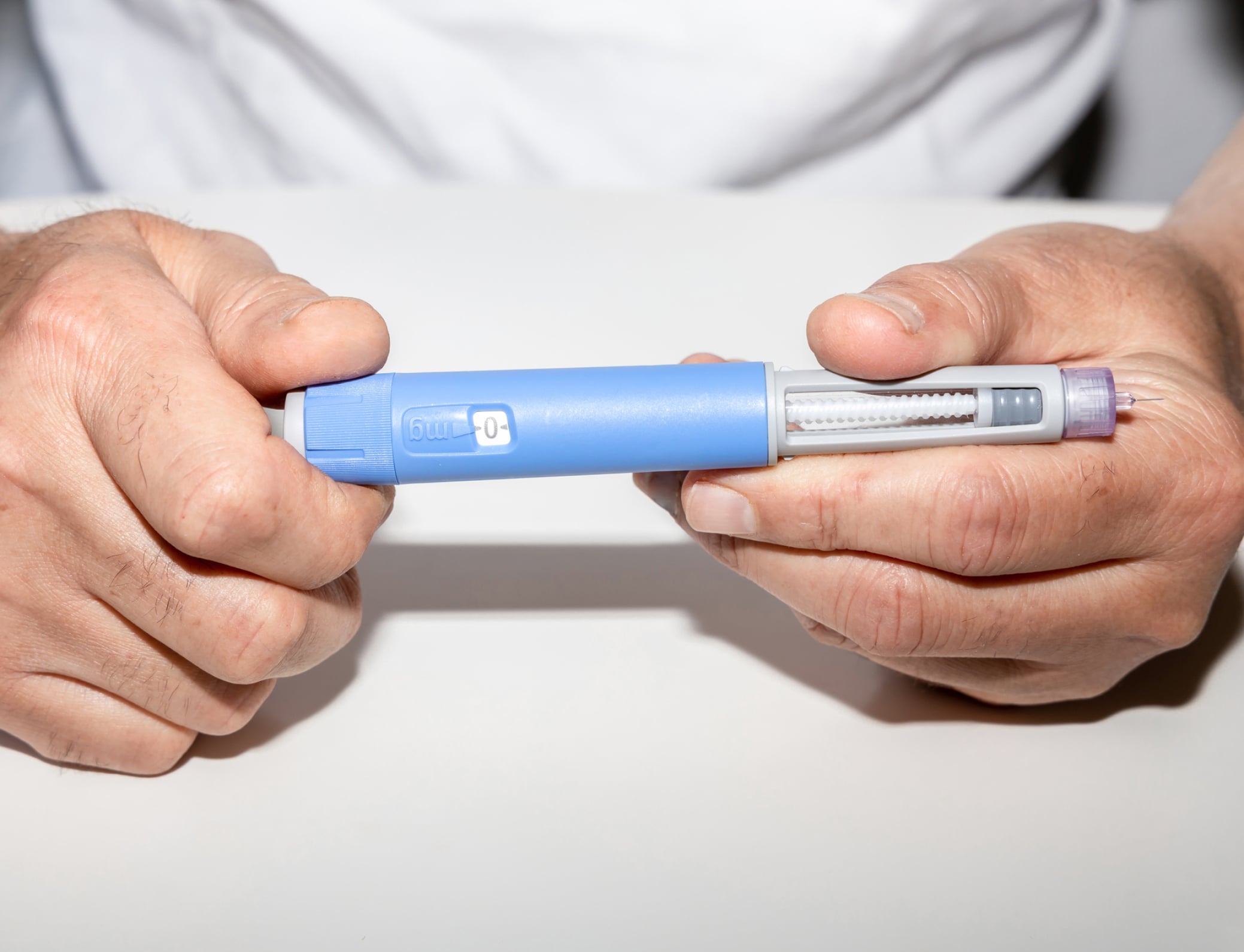
What if the most important decision about semaglutide isn’t whether it works, but whether it makes sense for you as a non-diabetic adult?
GLP-1 medications have exploded in popularity, and headlines move faster than the data. At the same time, about 4 in 10 U.S. adults now live with obesity, and that number has barely budged despite decades of dieting advice. It’s no surprise that people who don’t have diabetes are asking if semaglutide is a smart, safe path forward or an expensive detour.
If you’re the type who Googles “semaglutide side effects timeline” and “semaglutide cost without insurance” before clicking “Buy,” you’re in the right place. This guide is written for research-driven adults who want clear, medically grounded information, not hype.
As a telehealth platform focused on high-demand lifestyle conditions, Omni Rx Health approaches semaglutide for non-diabetics as a long-term metabolic tool, not a quick vanity fix. Below, we’ll walk through:
- Who semaglutide is usually appropriate for (and who it’s not)
- What the real-world results and side effects look like over time
- How to think about cost, ROI, and avoiding sketchy “copycat” offers
- How safe telehealth prescribing actually works for medications like this
Along the way, we’ll flag practical questions to ask your clinician before you start, and how to start a free online consultation if you decide to move forward.
Semaglutide 101: Why Non-Diabetics Are Using a “Diabetes Drug”
Semaglutide is a GLP-1 receptor agonist originally developed for type 2 diabetes. It mimics a gut hormone that:
- Helps your pancreas release insulin when needed
- Slows how quickly food leaves your stomach
- Signals to the brain that you’re full sooner
In large randomized trials of adults with overweight or obesity, including many without diabetes, weekly semaglutide plus lifestyle changes led to average weight loss around 15–17% of starting body weight over 68 weeks, compared with 2–3% in the placebo group.
That’s a different league than most older weight-loss medications and far beyond what most people maintain with diet alone.
Regulators in several regions now approve semaglutide (as Wegovy) for chronic weight management in adults with obesity (BMI ≥30) or overweight (BMI ≥27) plus at least one weight-related condition like hypertension, sleep apnea, or dyslipidemia.
So when people talk about “semaglutide for non-diabetics,” they’re usually talking about:
- Adults with obesity or overweight and health risks
- No diagnosis of diabetes
- Using semaglutide primarily for weight and cardiometabolic risk reduction
The goal is not “getting skinny for summer.” It’s long-term risk reduction: blood pressure, cholesterol, sleep apnea, joint load, and more.
Who Semaglutide for Non-Diabetics Is (Usually) For
Exact criteria vary by prescriber, insurance, and program, but most evidence-based protocols for non-diabetics focus on adults who look like this:
A Clinical Profile That Often Qualifies
A clinician may consider semaglutide if you:
- Are an adult (18+) with
- BMI ≥30, or
- BMI ≥27 plus at least one weight-related condition, such as high blood pressure, dyslipidemia, sleep apnea, or prediabetes
- Have tried structured lifestyle changes (diet, activity, sleep) without durable results
- Have no history of medullary thyroid carcinoma, MEN2, or other contraindications
- Are you willing to treat obesity as a chronic condition, not a 3-month project
Profiles Where Clinicians May Not Recommend Semaglutide
A good prescriber will be cautious or avoid semaglutide altogether if you:
- Are you pregnant or planning a pregnancy soon
- Have a personal/family history of specific thyroid cancers or MEN2
- Have had pancreatitis or certain serious GI diseases
- Have active eating disorders or unstable mental health, where appetite suppression could be risky
- Want it purely for cosmetic weight loss (for example, “I want to go from a healthy BMI to very lean for a photoshoot”)
You’ll see a pattern here: semaglutide makes the most sense when weight is clearly harming health, and when a structured plan exists to use the medication safely and strategically.
Results: What the Data Actually Shows for Non-Diabetics
If you’ve seen claims like “lose 20 pounds in a month,” you’re right to be skeptical. Let’s look at what large trials in non-diabetic adults actually showed.
Across multiple randomized controlled trials in adults with overweight/obesity, most without diabetes:
- Average weight loss was approximately 15%–17% of starting body weight over 68 weeks with semaglutide, compared with roughly 2%–3% with lifestyle changes alone.
- A large share of patients achieved ≥10% weight loss, at which point we begin to see meaningful improvements in blood pressure, sleep apnea, and metabolic markers.
- When semaglutide was stopped, many patients regained a significant portion of the lost weight, reinforcing that obesity is a chronic disease and long-term strategies matter.
That last point is key. Semaglutide is powerful, but it is still one tool:
The people who do best treat semaglutide as a metabolic reset plus habit-building window, not the whole solution.
At Omni Rx Health, clinicians typically think in 12–24+ month horizons: ramp up slowly, stabilize at an effective dose, layer in realistic lifestyle changes, then plan ahead for either ongoing maintenance or a careful taper if/when appropriate.
Semaglutide Side Effects Timeline: What to Expect and When
Most of the fear around “semaglutide for non-diabetics” isn’t about if it works; it’s about what it will feel like.
Common side effects in trials and clinical practice include:
- Nausea
- Vomiting
- Diarrhea or constipation
- Abdominal discomfort
- Fatigue or headache
These are usually dose-related, typically appear during dose increases, and often improve over time in many patients.
More serious but less common risks include pancreatitis, gallbladder disease, kidney issues in dehydrated patients, and possible thyroid tumors (which is why personal/family history matters).
Here’s a high-level semaglutide side effects timeline many adults experience, and what an evidence-based program does about it:
Time frame | What many patients notice (non-diabetics) | Strategies that actually help |
Weeks 0–4 (low dose) | Appetite drop, early fullness, mild nausea, softer stools | Very small meals, eat slowly, stop at first fullness; sip water throughout the day |
Weeks 4–8 | Nausea spikes around dose bumps; occasional vomiting or diarrhea | Slower dose increases, bland foods, and avoiding heavy/fatty meals close to dosing at night |
Weeks 8–12 | GI symptoms often settle; steady weight loss becomes obvious | Lock in a simple, repeatable meal pattern; add gentle strength training |
Months 3–6 | Energy often improves as weight and sleep apnea markers change; plateau risk appears | Lab checks as needed, adjust dose, revisit activity & protein targets |
Months 6–12+ | Weight loss slows; risk of “I feel normal, I can stop now.” | Long-term plan: maintain dose or taper, plus a relapse-prevention food & movement routine |
This is an example pattern, not a guarantee. Individual experiences vary and should be monitored by your clinician.

Semaglutide Cost Without Insurance: How to Think About ROI
The blunt reality: Semaglutide is expensive in the U.S.
- List prices for brand-name products like Wegovy typically range from $1,000–$1,350 per month without insurance.
- New direct-to-consumer programs and manufacturer discounts may bring monthly cash prices to $299–$ 349 for certain doses and time-limited offers.
When you search “semaglutide cost without insurance,” here’s how to frame the decision like a clinician would:
1. Time Horizon, Not The First Month
- Think in 12–24 months, not 4–8 weeks. Many patients stay on for at least a year.
- A realistic budget is monthly cost × 12, plus lab and visit costs.
2. Health ROI, Not Just Weight
- Ask: “If this helps me lose and maintain 10–15% of my weight, what does that do to my blood pressure meds, sleep apnea, joint pain, or risk profile?”
- For some, reduced long-term complications may justify the up-front cost; for others, it won’t.
3. Beware “Too Cheap” Copycats
- Compounded semaglutide products marketed as “same as Wegovy at a fraction of the price” have come under intense FDA scrutiny and legal challenge because many are not FDA-approved and may not contain the active ingredient they claim.
- If a website won’t clearly state how it sources semaglutide, or its pricing looks nothing like that of any brand-name or reputable program, treat it as a red flag.
At Omni Rx Health, part of our job is helping you understand the total cost of care, not just the price tag on the vial or pen.
“Is Telehealth Safe for Prescriptions?” What the Evidence Says
If you’ve ever typed “is telehealth safe for prescriptions” or “online anxiety medication no insurance” into a search bar, you’re asking the right questions. When done badly, online care can cut corners. When done well, telehealth can be as safe and effective as traditional care for many conditions.
Recent research shows that:
- Many U.S. clinicians report they can safely prescribe controlled substances via telemedicine when appropriate safeguards are in place.
- In some areas (like substance use treatment), high telehealth use has been associated with similar or better outcomes versus in-person care, including lower hospitalization rates.
- Systematic reviews highlight that safety risks in telehealth are real, but they’re mostly due to poor communication, rushed assessments, or technical barriers, not the format itself.
In other words, telehealth is a tool. Safety depends on how seriously the platform takes:
- Clinician credentials and licensure
- Medical history intake and risk screening
- Ongoing monitoring (symptoms, vitals, lab work when needed)
- Pharmacy partnerships and medication sourcing
That’s exactly why a “legit online pharmacy checklist” belongs in any conversation about semaglutide.
A Legit Online Pharmacy Checklist for GLP-1 Meds
Here’s a simple, practical filter you can use before filling semaglutide online, whether for weight loss, ED, or any other condition.
A program is more likely to be legitimate if:
- You complete a detailed medical questionnaire (not just “height, weight, email”).
- A U.S.-licensed clinician reviews your information and can deny or adjust treatment.
- They can clearly identify their partner pharmacy and confirm whether it dispenses FDA-approved medications.
- Pricing is transparent (no “click to reveal” or surprise pharmacy fees).
- Follow-up is built in, especially during dose escalations or if side effects appear.
Red flags include:
- “No prescription needed” or promises to ship prescription GLP-1s without a clinician involved.
- Prices that are wildly below market norms, with no explanation of sourcing.
- Vague statements like “pharmacy partners” without any names, states, or license numbers.
Omni Rx Health is designed to sit on the right side of that checklist: licensed U.S. clinicians, clear pricing, and a focus on safety over trends.
How Omni Rx Health Approaches Semaglutide for Non-Diabetics
Here’s how a premium, safety-first telehealth pathway typically looks with Omni Rx Health:
Asynchronous Intake, Done On Your Time
- You complete a structured online questionnaire about weight history, medical conditions, medications, mental health, and goals.
- You’re encouraged to share lab results or prior diagnoses where relevant.
Clinician Review And Eligibility Decision
- A licensed U.S. clinician reviews your chart, checks for contraindications, and decides whether semaglutide for non-diabetics fits your profile or whether another approach is safer.
- If needed, they may request additional information or labs.
Personalized Dosing Strategy
- If you’re a candidate, your clinician builds a slow, conservative titration plan to reduce GI side effects and minimize dropout risk.
- You’ll get specific instructions on how and when to escalate doses.
Coaching Around Habits, Not Just Injections
- You’ll receive clear guidance on nutrition (protein, fiber, hydration), movement, and sleep to maximize benefits and reduce rebound risk if you ever discontinue the medication.
- Think “semaglutide-supported habit change,” not “shot that fixes everything.”
Ongoing Follow-Up And Adjustments
- You can message your clinician about side effects, plateaus, or life changes.
- Dose, duration, and even medication choice can be revisited as your goals evolve.
If you’re already comparing online options, a good benchmark question to ask is:
“Does this program treat me like a long-term patient… or like a one-click checkout?”
Practical Questions to Ask Before You Start Semaglutide
Whether you work with Omni Rx Health or another provider, bring these questions to your visit (virtual or in-person):
- Am I a good fit clinically, or is this mostly cosmetic?
- How do you manage the timeline for semaglutide side effects?
- What do I do if nausea or vomiting is severe?
- What labs, if any, will we monitor over time?
- What’s the long-term plan?
- How long do patients typically stay on? How do you handle tapering or switching?
- What does semaglutide cost without insurance in your program?
- Are there savings options, and how predictable are my monthly costs?
- How can I reach you if I’m worried about side effects or not seeing results?
The right program will welcome those questions, not dodge them.

Ready for a Data-First, No-Drama Semaglutide Plan?
Semaglutide for non-diabetics is not a fad supplement or a miracle hack. It’s a serious, well-studied medication that can deliver double-digit weight loss and real metabolic gains when used in the right patients, with the right strategy, over the right time horizon.
If you’re tired of vague promises and want a clear, medically grounded plan for whether semaglutide makes sense for you, Omni Rx Health is built for exactly that kind of patient, research-minded, privacy-focused, and ready to treat weight as a health issue, not a character flaw.
- No waiting rooms
- Transparent pricing
- U.S.-licensed clinicians
- Discreet home delivery
Next Step
Visit omnirxhealth.com and start your free consultation today. Answer a few focused questions, have your case reviewed by a clinician, and find out based on your data, not marketing, whether semaglutide belongs in your treatment plan.
Disclaimer: This article is educational, not personal medical advice. Any decision about semaglutide should be made with a licensed clinician.