Protein Intake While on Semaglutide: How to Maintain Muscle During Rapid Weight Loss
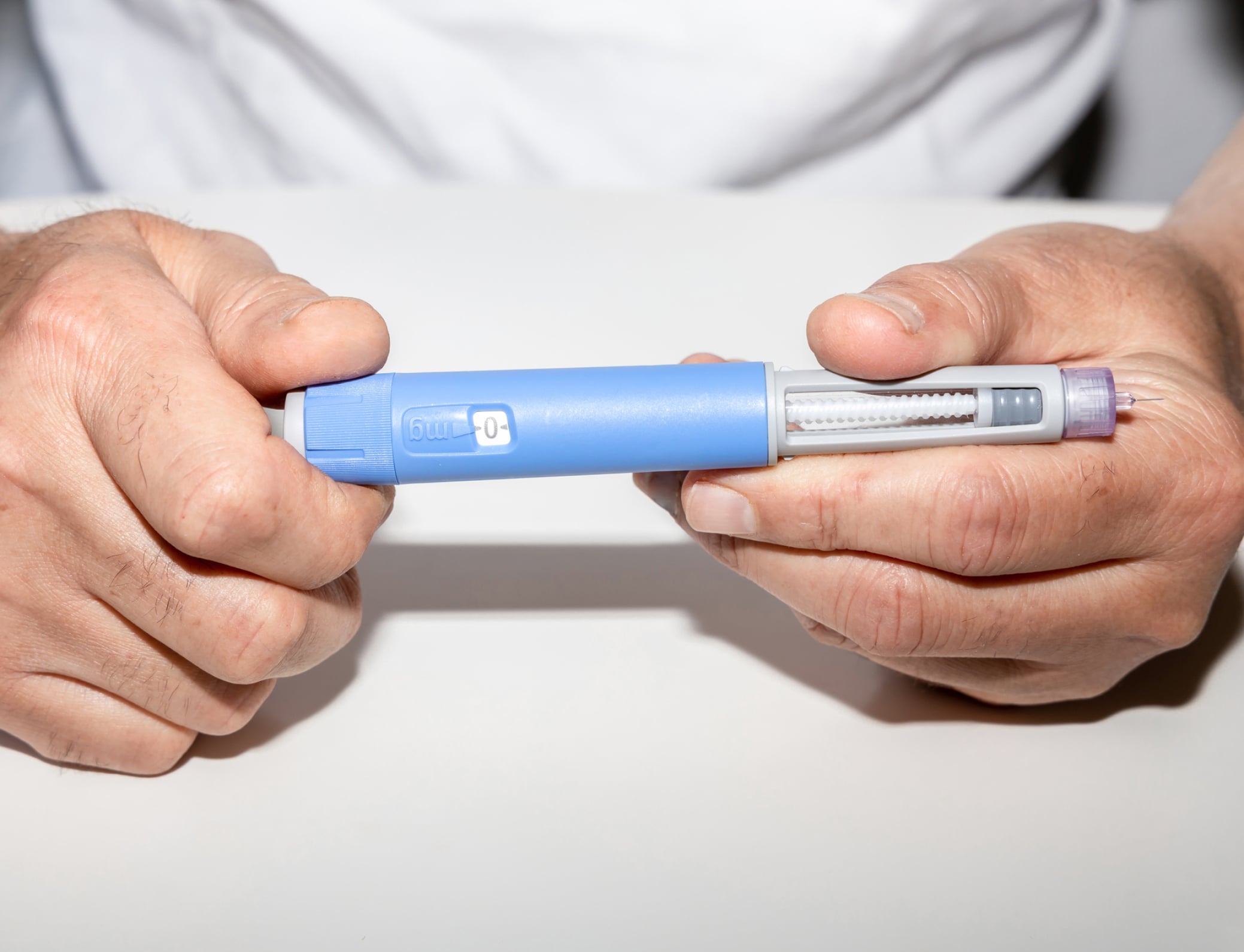
Semaglutide can be life-changing for adults who’ve struggled with weight loss for years. But along with rapid fat loss comes a legitimate concern: How do you preserve muscle while appetite drops and calorie intake shrinks?
Whether you are a 40-year-old dad trying to get your edge back in Austin or Miami, or a 52-year-old executive in NYC or Scottsdale focusing on longevity and metabolic health, protecting lean mass is not optional. It determines how well you age, how strong you feel, and how your metabolism responds once you come off GLP-1 medications.
This guide breaks down exactly how semaglutide affects muscle, how much protein you really need, and evidence-based strategies endorsed by physicians and performance specialists at OmniRx Health.
Why Muscle Loss Happens During Semaglutide Treatment
Semaglutide suppresses appetite so effectively that patients may unintentionally under-eat. In clinical trials, individuals on GLP-1 medications saw:
- Significant fat loss, but also
- Some degree of lean mass loss, especially without resistance training
- Reduced calorie and protein intake due to early satiety¹
When protein intake is too low, your body adapts by breaking down muscle tissue for essential amino acids. This is not dangerous in the short term, but over months of rapid weight loss, it leads to:
- Lower strength
- Slower metabolism
- Reduced athletic performance
- Higher risk of weight regain after stopping semaglutide
This is why muscle-preservation strategies must be built into every GLP-1 treatment plan.
How Much Protein Do You Need While on Semaglutide
Most adults underestimate their protein needs, especially while losing weight.
General Evidence-Based Target
Research shows individuals in a calorie deficit need more protein, not less:
- 0.7–1 gram per pound of goal body weight is the most supported range for maximizing muscle retention.
- For many OmniRx patients, this amounts to 110–160 grams daily.
That may sound high, especially with medication-induced appetite suppression, but hitting this target is what keeps weight loss healthy rather than harmful.
What If You’re 30–60 and Focused on Longevity?
Protein is even more important as we age due to anabolic resistance, where muscles don’t respond to low doses of protein the way they did in our 20s.
Patients in their 40s, 50s, and 60s require higher-protein meals to stimulate muscle repair and maintain functional strength.
How Semaglutide Changes Your Eating Patterns
Semaglutide slows stomach emptying and reduces hunger signals, which leads to:
- Smaller meal sizes
- Fewer total meals per day
- Higher likelihood of skipping protein
- A preference for “easy” foods like soups, crackers, or sweets
This is why many patients lose weight quickly but also hit plateaus or experience the “softer look” associated with muscle loss.
The goal is to eat strategically, not more, just smarter.
Protein Sources That Work Well on Semaglutide
Because appetite is low, protein must be efficient.
Lean and High-Quality Protein
- Eggs or egg whites
- Chicken breast or turkey
- Lean beef
- Salmon or tuna
- Cottage cheese or Greek yogurt
- Tofu, tempeh, or edamame
Convenient Options
- Whey or plant-based protein shakes
- Pre-cooked chicken strips
- Protein-rich soups
- Ready-to-drink shakes (20–40g per bottle)
These options help patients hit their intake goals even when eating less.
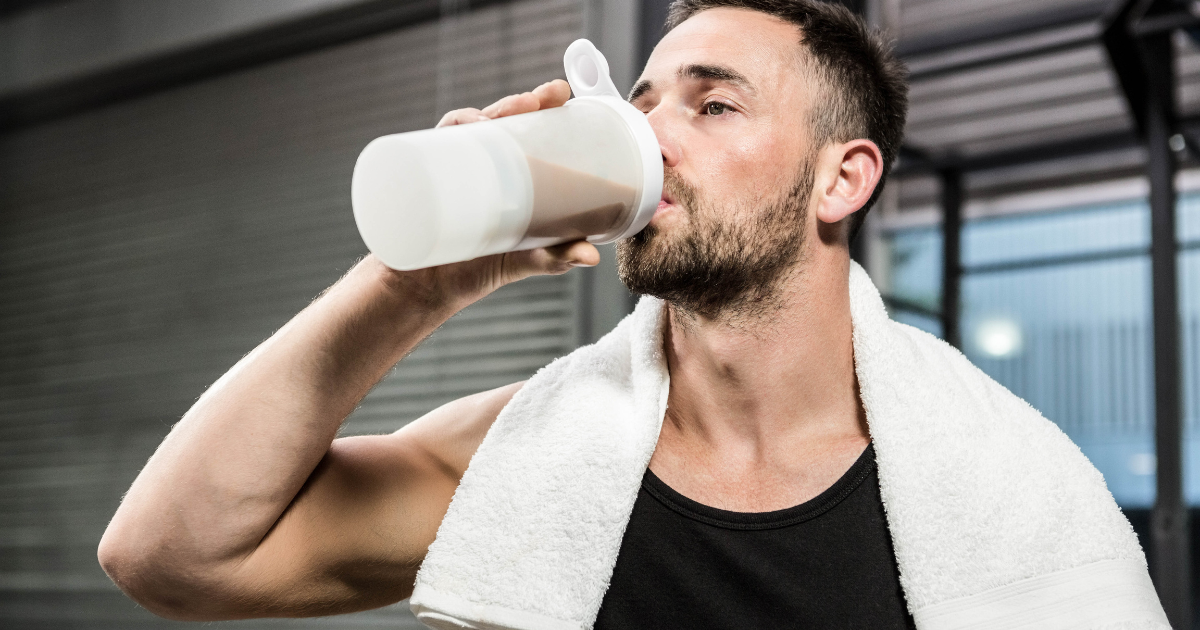
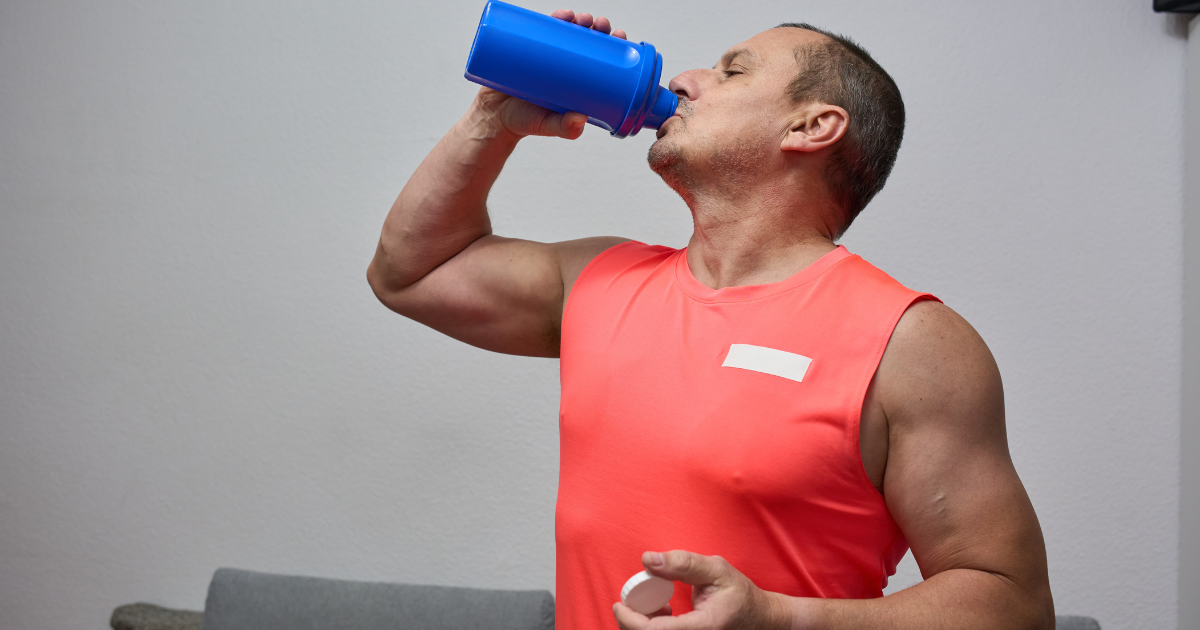
What About Protein Shakes on Semaglutide?
For many OmniRx patients, shakes are essential. They are:
- Easy to digest
- High in protein per calorie
- Ideal for mornings when GLP-1 medications blunt hunger
One shake can deliver 25–40 grams of protein in minutes, an efficient strategy when whole meals feel overwhelming.
How To Maintain Muscle While on Semaglutide
Protein matters, but it isn’t the whole story. Muscle preservation requires a three-pillar strategy.
1. Prioritize Resistance Training
Your body maintains the tissues it uses. At minimum:
- 2–3 lifting sessions per week
- Focus on compound movements: squats, lunges, rows, presses
- Use progressive overload when possible
Even light weights stimulate muscle retention when paired with adequate protein.
Research shows resistance training cuts lean-mass loss by more than half in individuals losing weight.
2. Increase Protein Distribution Throughout the Day
Your muscles cannot use 100 grams of protein at once. Instead:
- Aim for 25–40 grams per meal
- Distribute intake across 3–4 feeding windows
- Avoid long stretches (6–8+ hours) without protein
This pattern maximizes muscle protein synthesis and stabilizes energy levels.
3. Track Intake At Least Temporarily
Wearable-tech enthusiasts (Oura, WHOOP) already understand one core principle: what gets measured improves.
Tracking your protein for 1–2 weeks helps:
Curious how this works in practice? Reach out to the OmniRx Health team for a quick demo.
- Reveal gaps
- Calibrate portion sizes
- Ensure you’re supporting recovery
Once you understand your baseline, tracking becomes optional.
Why Biomarkers Matter for Muscle Preservation
Protein and training are essential, but biomarkers tell the deeper story.
At OmniRx Health, patients receive GLP-1 treatment alongside performance optimization. That starts with establishing your baseline:
Key Biomarkers That Affect Muscle
- Total and Free Testosterone (men & women)
- IGF-1 Levels (muscle growth potential)
- Vitamin D (strength + recovery)
- Electrolytes and Kidney Function (protein metabolism)
- Inflammatory Markers (impact training response)
- A1C & Fasting Insulin (metabolic efficiency)
Low testosterone, low IGF-1, and vitamin D deficiency all impair your ability to maintain muscle mass, especially during rapid weight loss.
This is why every OmniRx patient is advised:
“Don’t guess, test. Establish your baseline first.”
It allows your provider to tailor protein intake, training recommendations, and, if needed, TRT or peptide therapy for optimal results.
How Peptides and TRT Can Support Muscle Preservation
For appropriate candidates under physician supervision:
TRT (For Men With Confirmed Low Testosterone)
Restores:
- Strength
- Libido
- Energy
- Muscle protein synthesis
Peptides (e.g., CJC-1295/Ipamorelin)
May support:
- Muscle repair
- Recovery
- Sleep quality
- Body composition
These are not magic solutions, but medical tools used when biomarkers indicate a deficiency.
Common Mistakes Patients Make While on Semaglutide
Most muscle loss comes from avoidable habits:
1. “I’m Not Hungry, So I Skip a Meal.”
Skipping protein accelerates lean-mass loss.
2. “I’ll Start Exercising Once I Hit My Goal Weight.”
By then, you’ll have already lost the strength you’ll need to rebuild.
3. “I’m Eating Healthy, Lots of Fruit and Small Bowls.”
Healthy ≠ sufficient protein.
4. “I Thought The Medication Handles Everything.”
Semaglutide facilitates fat loss. You must protect the muscle.
Frequently Asked Questions
Is It Normal To Lose Muscle on Semaglutide?
Some loss is expected, but most is preventable with protein and resistance training.
Can I Build Muscle on Semaglutide?
Possible, but challenging. The goal during GLP-1 treatment is muscle preservation, not new muscle growth.
Does More Protein Harm the Kidneys?
In healthy adults with normal kidney function, research shows no evidence of harm from high-protein diets⁴.
How Do I Know If I’m Eating Enough Protein?
Track intake and focus on hitting 0.7–1g per lb of goal body weight.

Protect the Muscle That Protects Your Metabolism
Semaglutide is an incredible tool for weight loss, metabolic reset, and long-term health. But rapid weight loss requires intentional choices. By prioritizing protein, resistance training, and biomarker-guided care, you preserve the muscle that determines strength, longevity, and metabolic resilience.
Before adjusting diet, training, or medical treatment, take the essential first step:
Get Your Baseline Checked With OmniRx Health
Your biomarkers reveal exactly what your body needs to safely lose weight and keep muscle.
Don’t guess test. Start your evaluation today at omnirxhealth.com.
Ready to explore a better approach? Reach out at www.omnirxhealth.com/contact and we’ll walk you through it.