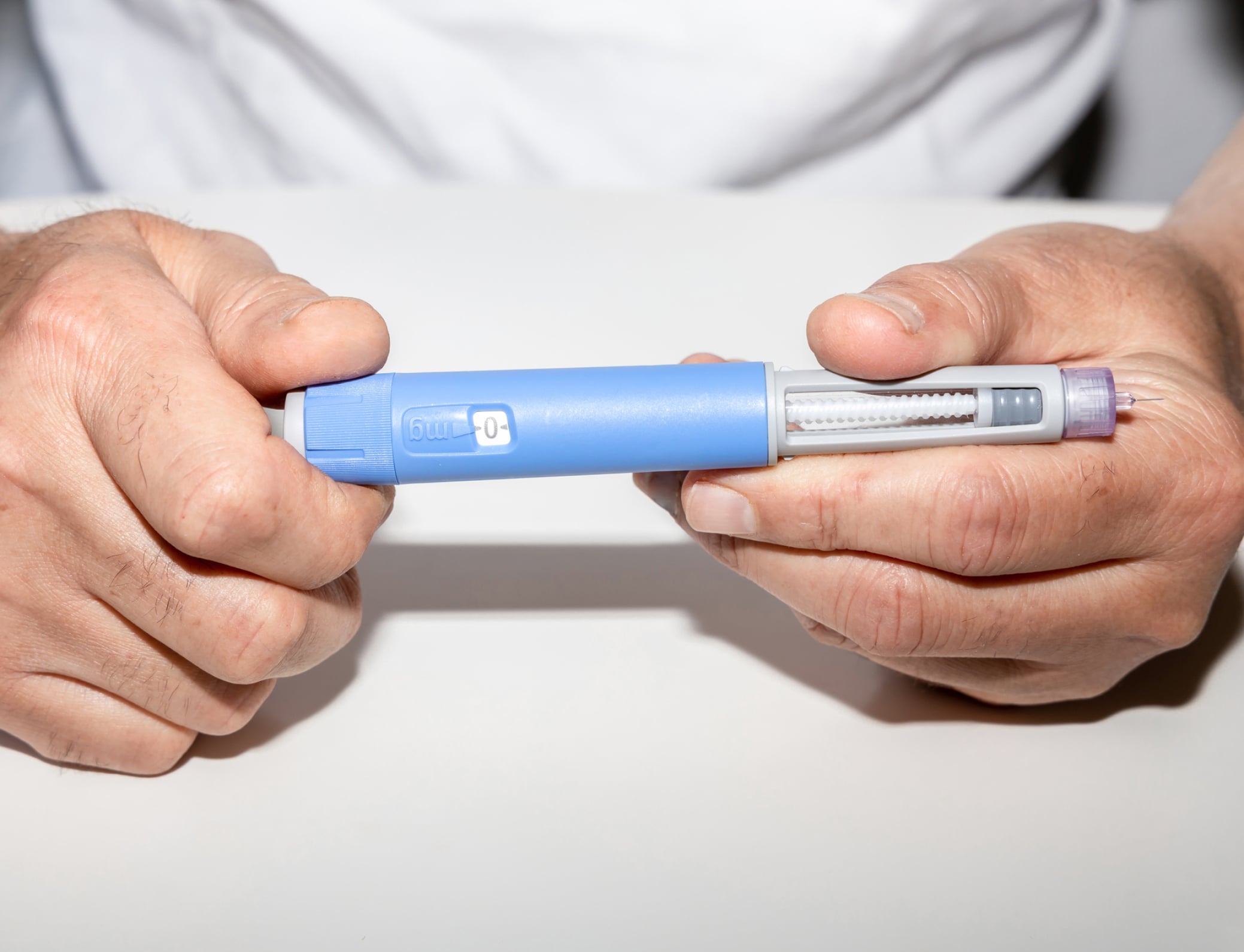
If you could get an ED prescription or hair-loss treatment from your couch in under 10 minutes, is that smart medicine or a safety shortcut? That’s the real fear behind searches like “is telehealth safe for prescriptions” or “is online generic Viagra safe.” You want to know whether the care is real or just a fast way to get pills.
The truth is simple: telehealth can be very safe or very risky. It depends on regulations, clinical standards, and how a platform generates revenue. This guide focuses on three things: what the evidence shows, how U.S. regulations shape legitimate telehealth prescribing, and a checklist to distinguish real care from risk.
What The Data Actually Says About Telehealth Safety
Instead of trusting headlines, look at the numbers.
- In 2021–2022, approximately 20–39% of U.S. adults had at least one telemedicine visit, indicating telehealth is now a mainstream part of care, not a fringe experiment.
- Studies comparing telehealth with in-person visits show similar hospitalization rates, and sometimes fewer prescriptions and unnecessary tests with remote care.
- A 2024 review of asynchronous telemedicine (secure forms and clinician-reviewed messaging) found that it can safely support diagnosis and prescribing when protocols are followed.
Takeaway
Telehealth visits can be as safe as in-person care when clinicians follow the same standard of care, prescribing is not based solely on a static form, and medications are dispensed by licensed pharmacies. The risk is not telehealth itself. It is cutting corners.
The Rulebook: How U.S. Telehealth Prescribing Really Works
Two big principles drive legitimate online prescribing in the United States.
1. State Licensure And Standard Of Care
Clinicians must:
- Be licensed in the state where you are located
- Meet the same standard of care as they would in a clinic
Most states do not permit prescribing based solely on a static online questionnaire without an interactive consultation.
For common telehealth use cases such as ED meds, hair-loss treatment, GLP-1s for weight loss, or anxiety meds, this typically means a detailed intake form, a clinician reviewing your chart, and follow-up questions via secure messaging or video when needed.
2. The Ryan Haight Act And Controlled Substances
For controlled substances, the Ryan Haight Act and DEA rules historically required at least one in-person exam, with limited exceptions.
During COVID-19, the DEA granted flexibilities to enable more controlled prescriptions to be initiated via telehealth, and those are being refined into permanent rules and a telemedicine registration pathway.
Most Omni Rx Health offerings (for example, ED medications, finasteride for hair loss, many anxiety treatments, and some weight-loss options) are prescription-only but not controlled substances, which makes compliant telehealth prescribing more straightforward.

Where Telehealth Actually Goes Wrong
The headlines you see usually come from three failure points.
1. Rogue “Online Pharmacies.”
The FDA has warned that many websites selling prescription drugs are not U.S.-licensed pharmacies and do not require a prescription.
Red flags:
- No prescription required
- No U.S. address or phone number
- Prices that seem impossibly low
The FDA has documented that drugs from these sites may be too strong, too weak, contaminated, or fake.
2. Misaligned Incentives
A U.S. Senate investigation into partnerships between major drugmakers and certain telehealth providers raised concerns about high prescribing rates and conflicts of interest when prescriptions were written from drug-company sites.
If a platform’s revenue depends on pushing a specific brand, it becomes harder to trust the conversation about generics, timing, or lifestyle changes.
3. Compounded Medications And Poor Counseling
Telehealth has expanded access to compounded formulations. The FDA has specifically warned about compounded topical finasteride sold by telehealth companies after reports of sexual and mood side effects, stressing that these products were never FDA-approved.
Omni Rx Health clearly discloses when treatments are compounded rather than manufactured by FDA-regulated manufacturers, and why that matters for risk, monitoring, and alternatives.
Your Legit Online Pharmacy Checklist
Use this to protect yourself when you “buy finasteride online” or “get Viagra prescription online.”
From FDA and NABP guidance, a safe online pharmacy should:
- Require a valid prescription
- Be licensed in the U.S. and listed with the state boards of pharmacy
- Show a real U.S. address and working phone number
- Offer access to a licensed pharmacist
- Protect your data with clear privacy policies and secure checkout
- Avoid “too good to be true” pricing on brand-name meds
Prefer sites that hold NABP Digital Pharmacy Accreditation or a .pharmacy domain when available.
Turning Stats Into Strategy: How To Use Telehealth Safely
Here is how to make telehealth work for you.
1. Treat The Visit Like Real Medicine
- Be honest about heart history before ED meds, mental health before anxiety meds, and metabolic history before GLP-1s.
2. Expect Honest Risk–Benefit Conversations
- For questions like “does finasteride work for receding hairline” or “semaglutide side effects timeline,” your clinician should explain evidence, side effects, and realistic timelines.
3. Check Both Layers: Clinic And Pharmacy
- A U.S.-licensed prescriber following state rules
- A verified pharmacy that meets the checklist above
4. Plan Follow-Up Before You Start
- Know how to message your clinician, how often you will be reviewed, and what to do if you notice side effects or no benefit.

Safe Telehealth Starts With The Right Partner
Telehealth is not automatically safe or unsafe. It is a tool. With solid clinical protocols, transparent sourcing, and the right incentives, it can be one of the safest ways to handle sensitive prescriptions for ED, hair loss, weight loss, hormones, peptides, and anxiety.
At Omni Rx Health, we design everything around that standard: evidence-based protocols, U.S.-licensed clinicians, clear disclosure when treatments are compounded, and straightforward education instead of hype.
If you are ready to see what that looks like in practice, the next step is simple.
Start your free consultation and experience what premium, safety-first telehealth prescribing should feel like. Begin at omnirxhealth.com