Can You Build Muscle While on GLP-1s? The Science of Recomposition
If you are using semaglutide or tirzepatide for medical weight loss, you may be asking a critical question: Can I lose fat without losing muscle?
For men in their 30s and 40s dealing with low testosterone symptoms, and women focused on longevity and metabolic health, the goal is not just weight loss. It is recomposition. Less fat. More lean mass. Better biomarkers.
At OmniRx Health, a nationwide telehealth clinic specializing in GLP-1s, TRT, and performance optimization, the first step is never guesswork. It is testing. Before you look into buying semaglutide online or searching for a medical weight loss clinic near me, you need labs. Don’t guess, test. Establish your baseline first at omnirxhealth.com.
Let’s break down the science.
How GLP-1s Actually Work
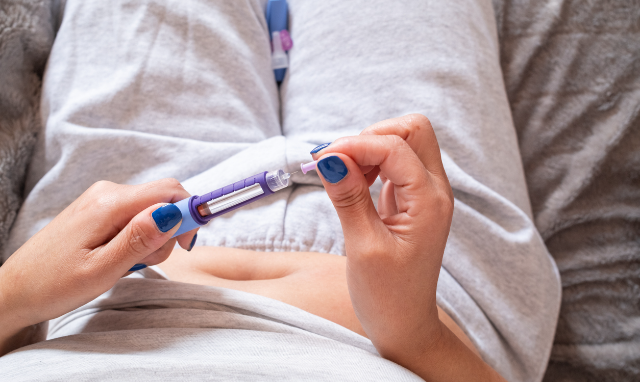
GLP-1 receptor agonists like semaglutide (Wegovy, Ozempic) and tirzepatide (Mounjaro, Zepbound) work by:
- Slowing gastric emptying
- Increasing satiety
- Reducing appetite
- Improving insulin sensitivity
This mechanism of action helps create a calorie deficit without relying on willpower alone. Clinical trials show average weight loss of 10 to 22 percent, depending on the compound and dose.
But here’s the concern: When weight drops quickly, some of that weight can come from muscle.
Studies suggest that during rapid weight loss, approximately 20 to 40 percent of total weight lost may come from lean mass if protein intake and resistance training are not optimized.
That is where strategy matters.
Fat Loss vs. Muscle Loss: What the Research Shows
In obesity trials involving GLP-1 agonists, reductions in lean mass were observed alongside fat loss. However, body composition data also show that most of the weight lost is fat mass, especially when patients maintain adequate protein intake and lift weights.
A 2021 analysis of semaglutide trials published in The New England Journal of Medicine showed that participants lost significant fat mass, but the reduction in lean mass was proportional to total weight loss. The key variable was not the medication itself. It was a nutrition and resistance stimulus.
GLP-1s do not directly break down muscle. They reduce calories. If protein and training are neglected, muscle declines.
That means muscle preservation is controllable.
Can You Build Muscle While on GLP-1s?
Yes, but context matters.
Building muscle typically requires:
- Progressive resistance training
- Adequate protein
- Sufficient calories
- Hormonal support
GLP-1 medications suppress appetite, which can make calorie and protein targets difficult. If you are undereating significantly, muscle gain becomes harder.
However, in certain populations, recomposition is realistic:
- Individuals new to resistance training
- People returning after a long layoff
- Those correcting hormonal deficiencies, such as low testosterone
For men experiencing signs of andropause, low libido, or low testosterone symptoms in their 30s, combining GLP-1 therapy with an online TRT prescription after proper blood work may support lean mass retention.
This is why testing biomarkers first matters. Testosterone, estradiol, hematocrit levels, fasting insulin, and thyroid function all influence outcomes.
How to Maintain Muscle on Ozempic or Wegovy
If your goal is to maintain muscle on Ozempic or prevent loose skin during rapid weight loss, here is what the science supports.
1. Prioritize Protein Intake
Protein intake while on semaglutide should be higher than the average dieting guidelines.
Research suggests 0.7 to 1.0 grams of protein per pound of lean body mass for individuals training regularly. For many patients, that means 100 to 150 grams daily.
If appetite is low, prioritize:
- Lean meats
- Greek yogurt
- Protein shakes
- Eggs
- Fish
This is not generic diet advice. It is a lean mass preservation strategy.
2. Resistance Training Is Non-Negotiable
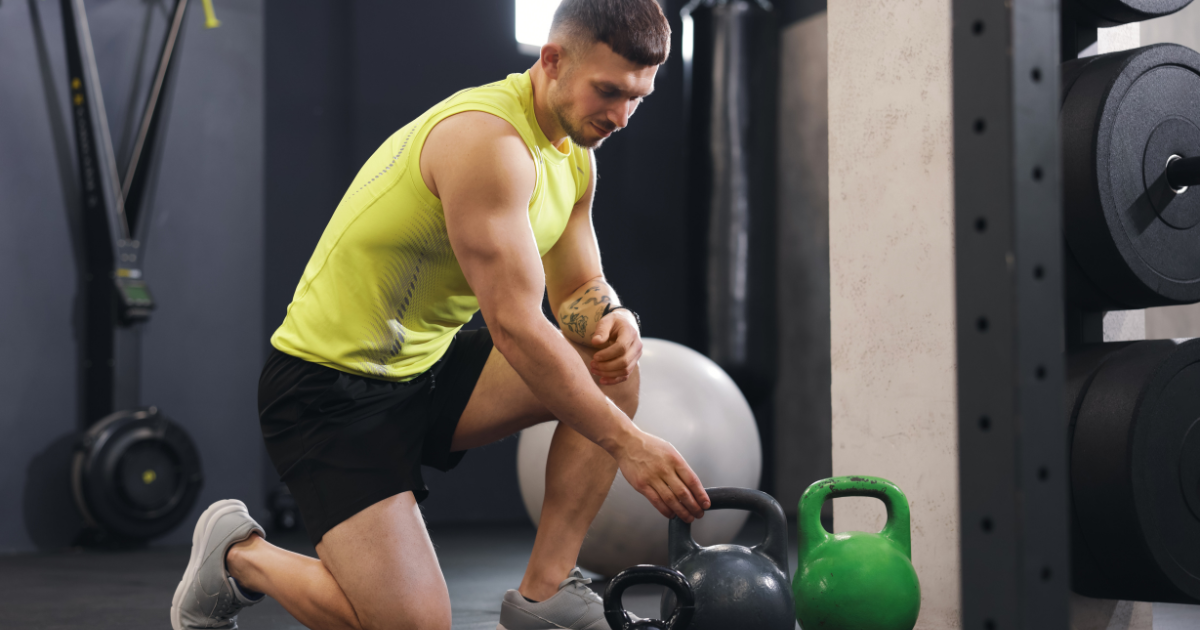
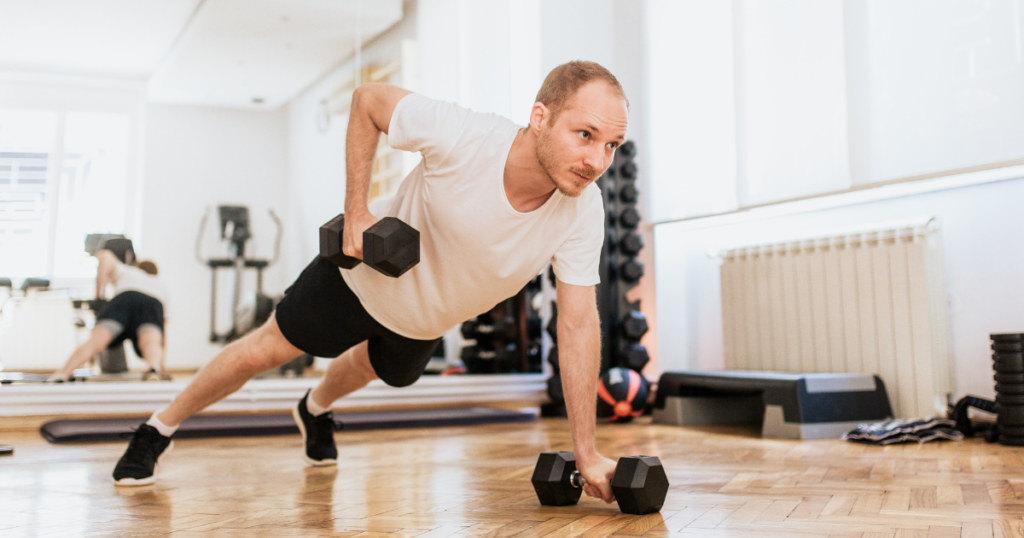
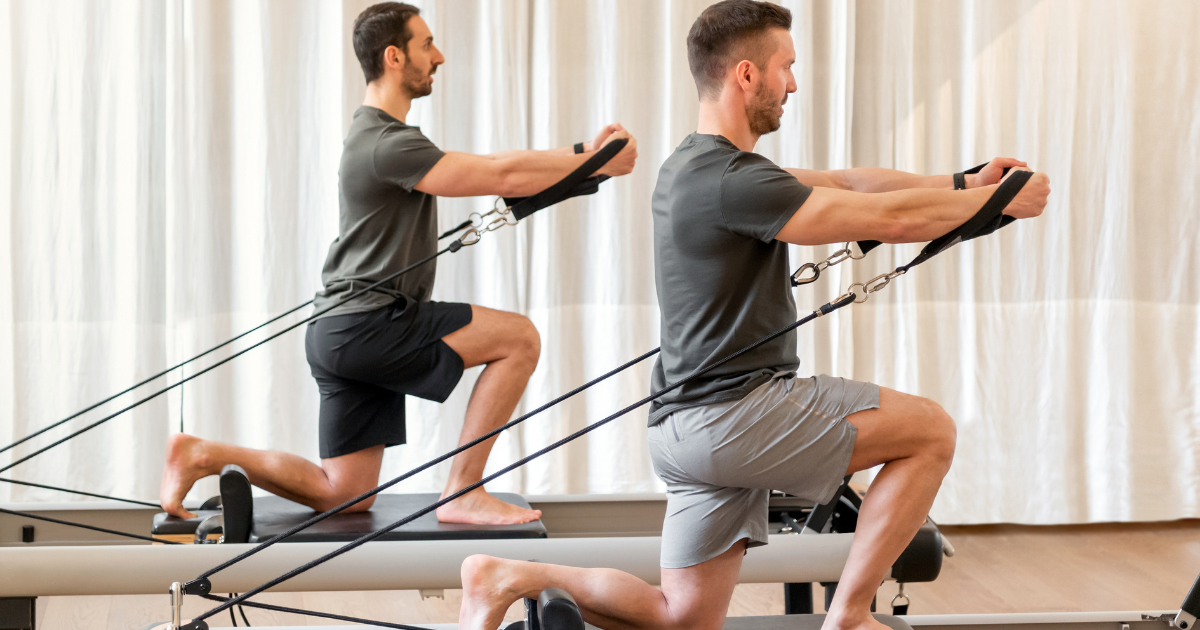
Three to four weekly sessions of resistance training significantly reduce muscle loss during weight reduction.
Compound lifts. Progressive overload. Measured intensity. Without mechanical tension, muscles decline regardless of medication.
3. Monitor Hormones
Low testosterone symptoms in men in their 30s and 40s can include:
- Low libido
- Fatigue
- Reduced muscle mass
- Poor recovery
If testosterone levels are suboptimal, building or maintaining muscle becomes harder.
An online TRT clinic with proper TRT blood work requirements can assess total testosterone, free testosterone, estradiol, and SHBG. When clinically indicated, testosterone cypionate dosage is individualized and monitored carefully to avoid elevated hematocrit levels or high estrogen symptoms.
GLP-1s and TRT can be complementary under physician supervision. They address fat mass and lean mass from different angles.
4. Avoid Excessive Calorie Deficits
Rapid drops can lead to:
- GLP-1 weight loss plateau
- Fatigue
- Muscle loss
- Loose skin
Sustainable fat loss with strength retention requires moderation.
What about the long-term effects of GLP-1s on Muscle?
Long-term data is still evolving, but there is no evidence that GLP-1 agonists directly damage muscle tissue.
The main risk factor is chronic undereating.
If you are planning on stopping semaglutide, weight regain is possible if lifestyle factors are not aligned. This is why lifestyle integration and metabolic testing matter.
At OmniRx Health, treatment plans include nutrition support, resistance training guidance, and regular lab reviews to prevent rebound effects.
GLP-1s vs. Tirzepatide for Recomposition
When comparing tirzepatide vs. semaglutide efficacy, tirzepatide has demonstrated a slightly greater average weight loss in clinical trials due to its dual GLP-1 and GIP actions.
More fat loss can mean greater potential for recomposition if lean mass is protected.
However, both compounds require a strategy. Side effects such as nausea must be managed appropriately. Nausea remedies for semaglutide often include dose titration adjustments and timing modifications.
Medication choice should be guided by labs, BMI, insulin resistance markers, and individual tolerance.
Women, GLP-1s, and Muscle
Women ages 30 to 60 who are focused on anti-aging and metabolic health often worry about looking “flat” after weight loss.
Preserving glute, leg, and upper body lean mass requires:
- Higher protein
- Strength training
- Hormone evaluation if symptomatic
Bioidentical hormone replacement therapy may be appropriate in certain clinical scenarios, but again, this starts with labs.
The Real Question: Are You Measuring What Matters?
You can calculate BMI for weight-loss goals, but it does not distinguish fat from muscle.
What you need:
- DEXA or body composition tracking
- Fasting insulin
- Lipid panel
- Testosterone and estradiol (if symptomatic)
- Thyroid function
This is why searching for a TRT clinic online or buying semaglutide online without labs is incomplete.
At OmniRx Health, licensed providers evaluate biomarkers before prescribing GLP-1s, TRT, or peptides. This reduces side effects, improves outcomes, and supports long-term health.

Don’t Guess, Test. Establish Your Baseline First.
Building muscle while on GLP-1s is possible. Preserving muscle is achievable. But neither happens by accident.
You need:
- Structured resistance training
- Targeted protein intake
- Hormonal optimization when clinically indicated
- Ongoing lab monitoring
If you are in Los Angeles, Miami, Austin, NYC, Scottsdale, or anywhere in the U.S., OmniRx Health connects you with licensed providers for medical weight loss, TRT, and biomarker testing from home.
Before adjusting doses, switching medications, or starting testosterone replacement therapy, establish your baseline.
Visit omnirxhealth.com to book your consultation.
Because optimized results start with data.